Painting Courses in Cologne: What to Look for When Choosing One
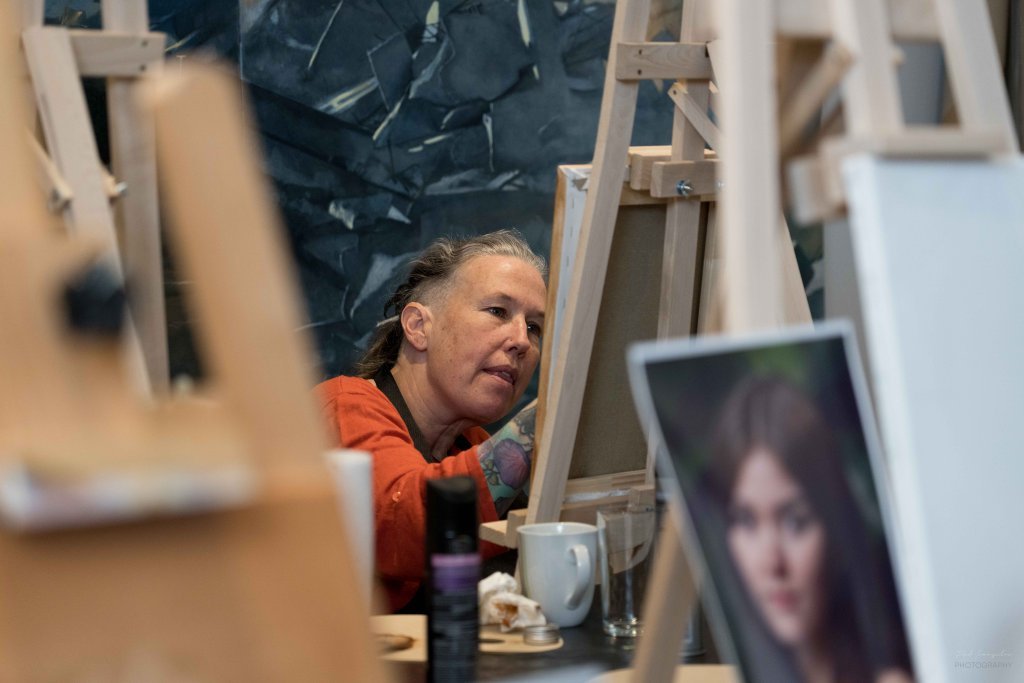
A good painting course in Cologne has five things in common: a qualified teacher, a manageable group size, clear rules about materials, the right level and a format that fits your everyday life. When these are in place, you will learn more in a few hours than in weeks of painting alone at the kitchen table.
Cologne and the surrounding area offer plenty of options – open studios, adult education (VHS) classes and weekend workshops. As an artist and art teacher, I will show you what to look for and which questions to ask before you book.
1. The teacher: training and artistic practice
The most important factor in any painting course is the person leading it. They should not only paint well, but also be able to explain why something works in a picture – and why it doesn't. Ask about their training and look at their own work.
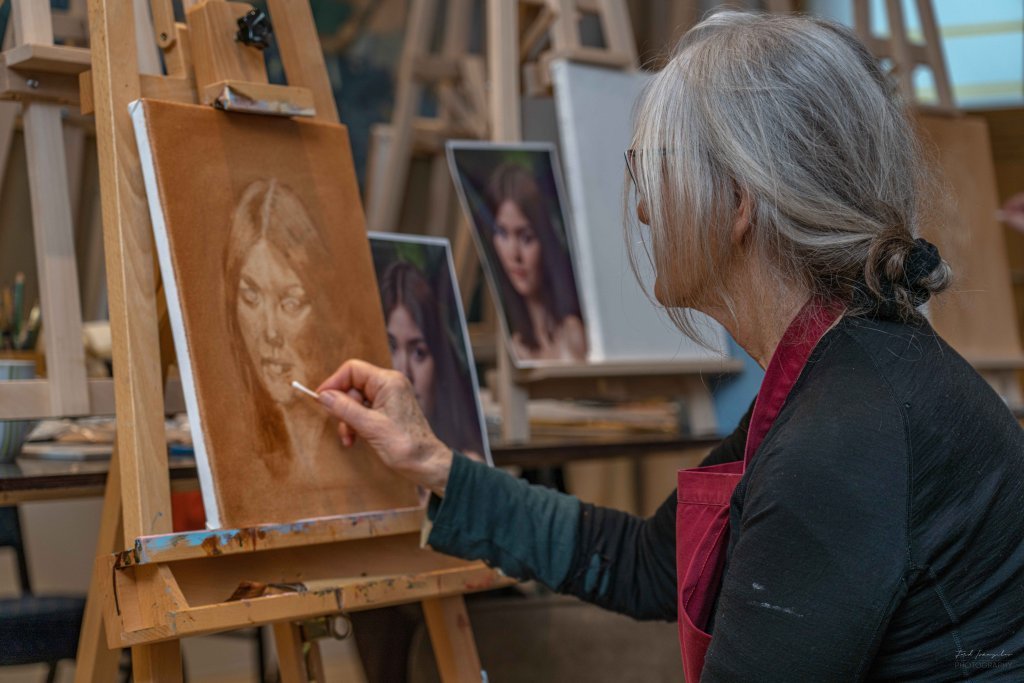
A solid education in drawing and painting is a good sign. Someone who has learned proportions, tonal values and colour mixing systematically can help you precisely when a portrait "just doesn't look right". An active artistic practice with exhibitions matters too: it shows that the teacher applies what they teach.
- Is there a portfolio of their own work?
- What training does the teacher have?
- Will you get individual feedback, or only a demonstration?
2. Group size and personal guidance
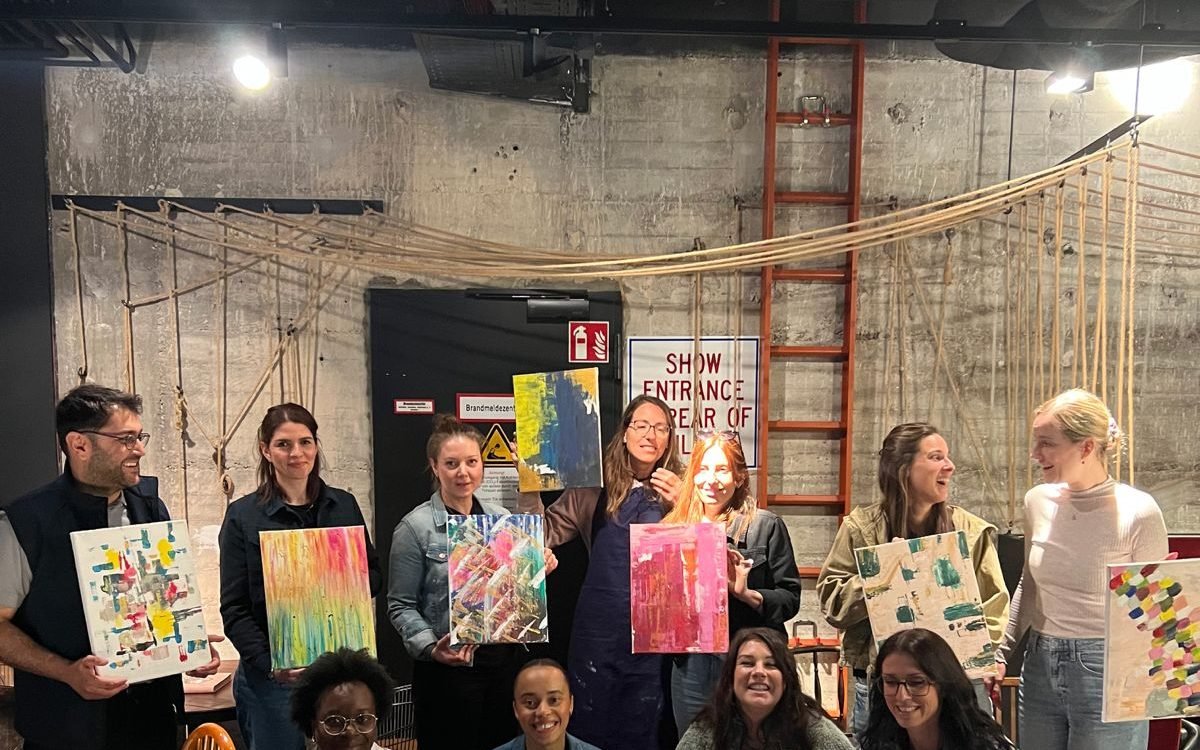
Small groups mean more direct feedback. Larger groups often have a lively, social atmosphere – perfect for workshops where the shared evening is part of the fun.
Decide what matters more to you: intensive learning with lots of corrections, or a relaxed creative experience. Both are valid. When booking, ask about the maximum number of participants and whether a minimum is needed for the course to go ahead.
3. Materials: included or bring your own?
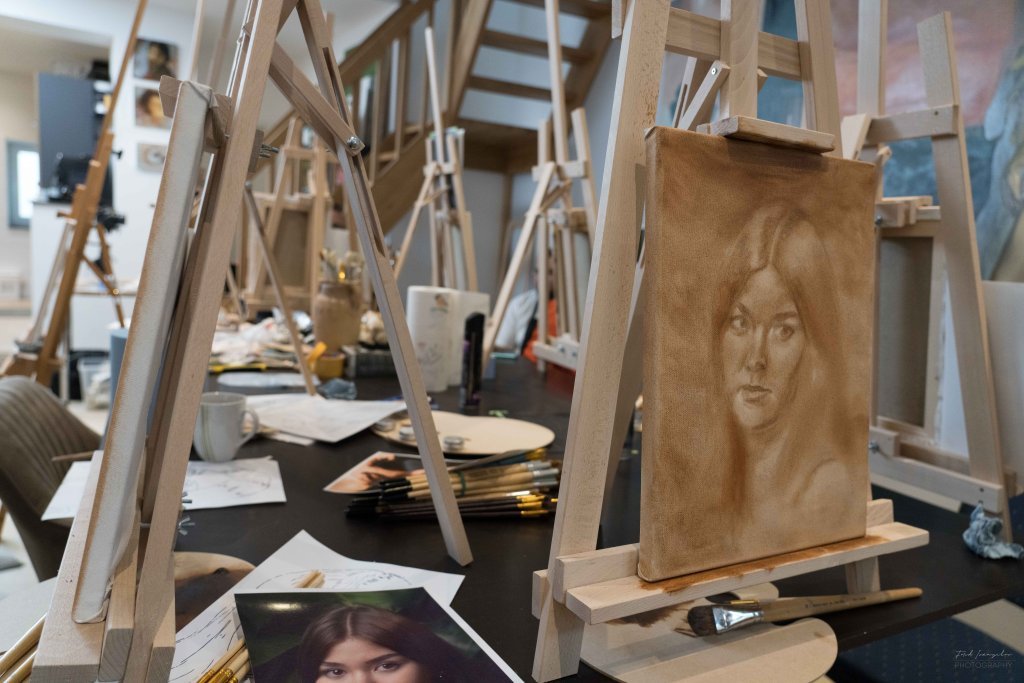
For beginners it is a relief when canvas, paints, brushes and easel are provided. You can find out whether a technique suits you before buying your own supplies. Multi-session courses and oil painting classes, on the other hand, often expect you to bring your own paints.
Check in advance:
- Which materials are included?
- What canvas size will you work on?
- Are aprons provided, or should you wear old clothes?
- Can you take your painting home straight away, or does it need to dry?
You will find a full checklist in my article on preparing for a painting course.
4. The right level
Many people hesitate because they think they already need to "know how to paint". They don't. Good courses state their level clearly: beginners, advanced, or all levels. Read the description carefully – advanced courses often assume basic skills so that there is time for more complex techniques.
If you are starting from scratch, choose a course designed for people without experience. Read more in learning to paint with no experience – and if you wonder whether it is too late: it isn't, as I explain in learning to paint as an adult.
5. Technique: acrylic, oil or drawing?
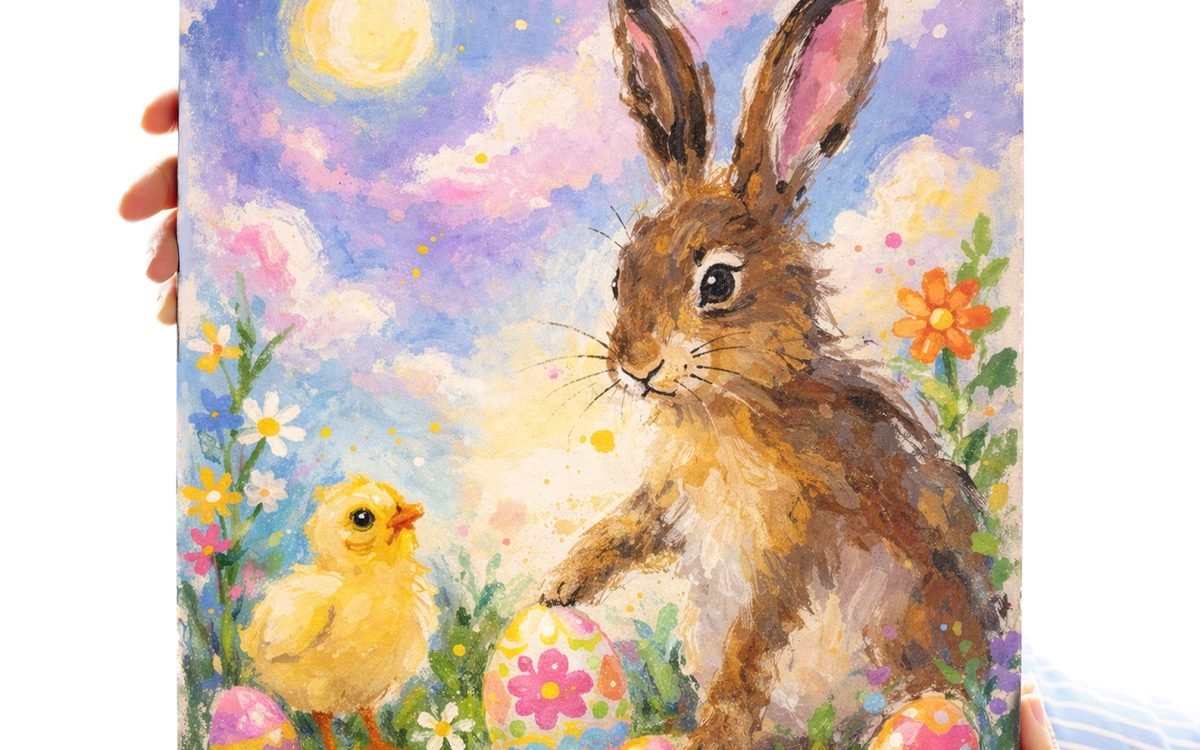
The technique shapes the course. Acrylic dries quickly, has little smell and works well for two- to three-hour workshops that end with a finished picture. Oil stays wet for a long time and allows soft transitions and classic layering – but it needs more time and often several sessions.
Drawing is the foundation of both. Understanding proportions and light and shadow makes you a more confident painter. Not sure which paint suits you? My comparison oil or acrylic for beginners will help.
Portraits as a subject of their own
Portrait courses are popular but demanding. Make sure the course covers basics such as head construction and proportions. I describe the typical pitfalls in the 7 most common portrait drawing mistakes.
6. Course format and travel
- Single workshop: two to three hours, one subject, one finished picture – great for trying something new or as a gift.
- Multi-session course: several dates to build up technique step by step.
- Intensive course or educational leave: several days in a row, deep focus, big progress.
- VHS course: regular sessions over a semester, often in small groups.
Think about travel time, too. A course an hour away quickly becomes a hurdle after the third session. For a single weekend workshop, however, a trip to Düsseldorf or Bonn is well worth it.
What I offer in and around Cologne
I am a freelance artist with around ten years of academic art education – at the State Academy of Arts in Baku and with a Master of Fine Arts in painting from Alanus University. You can read more on my about page.
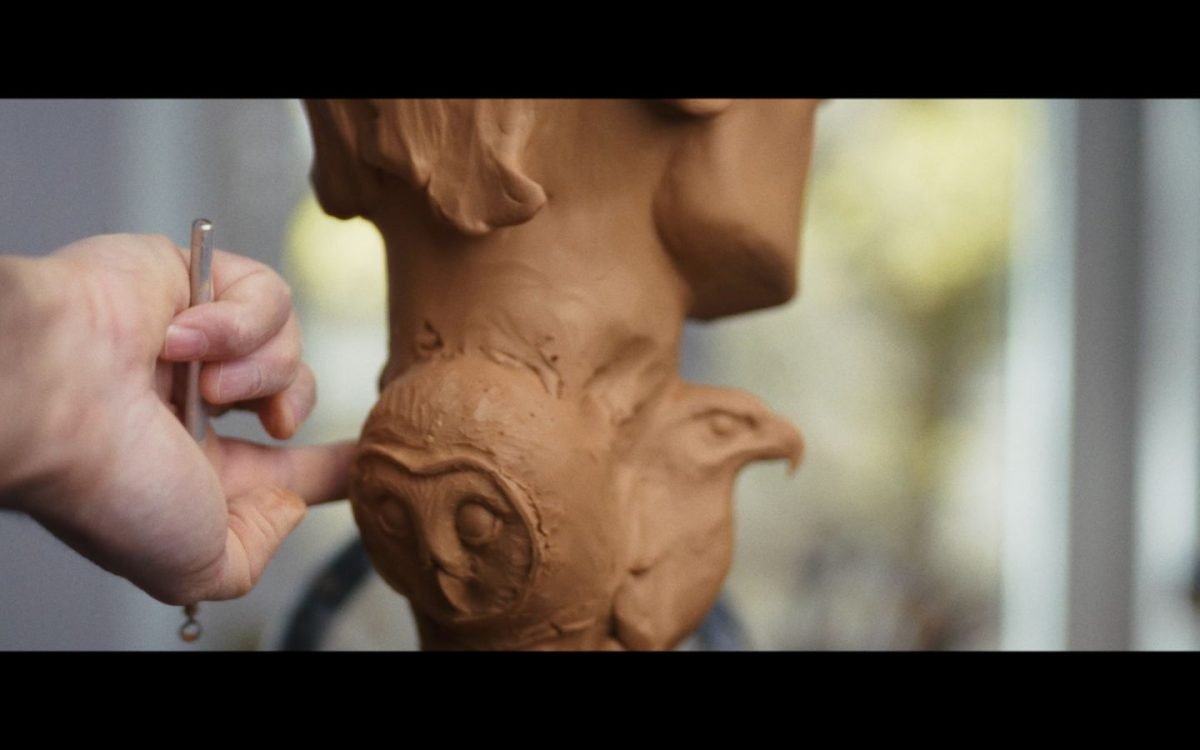
My studio is in Cologne-Porz. Workshops take place, among other places, at the Kunsthalle Eil-Porz in Cologne – including family workshops where children paint together with adults. The courses currently bookable online are close by: acrylic workshops such as "Abstraktes Arbeiten mit dem Spachtel", "Banksy Art Experience" or "Paint Your Partner" in Düsseldorf, and an intensive clay head-modelling course in Bonn. Materials are included in these courses. Read more in painting courses in Düsseldorf.
If you want to practise on your own between sessions, my online courses are a good complement, for example Drawing for Absolute Beginners on Udemy.
Frequently asked questions
Do I need experience for a painting course in Cologne?
For most workshops, no. Check the stated level: courses for beginners or all levels work well without any experience.
What should I bring?
It depends on the course. If materials are included, comfortable clothes that can take some paint are enough. Oil painting and multi-session courses often come with a materials list.
How long does a painting workshop take?
A typical acrylic workshop lasts two to three hours. Intensive courses run over several days.
Can I book a course for my family?
Yes, there are family workshops where children and adults paint together. Just ask about current dates via the contact form.
Conclusion: finding the right painting course
The right painting course fits your level, your favourite technique and your schedule – and is led by someone who can really help you improve. Take five minutes for the questions in this article before you book.
You will find current dates and subjects on the painting courses and workshops page. I look forward to meeting you there.
Gallery