How to Prepare for a Painting Course: A Checklist for Oil and Acrylic
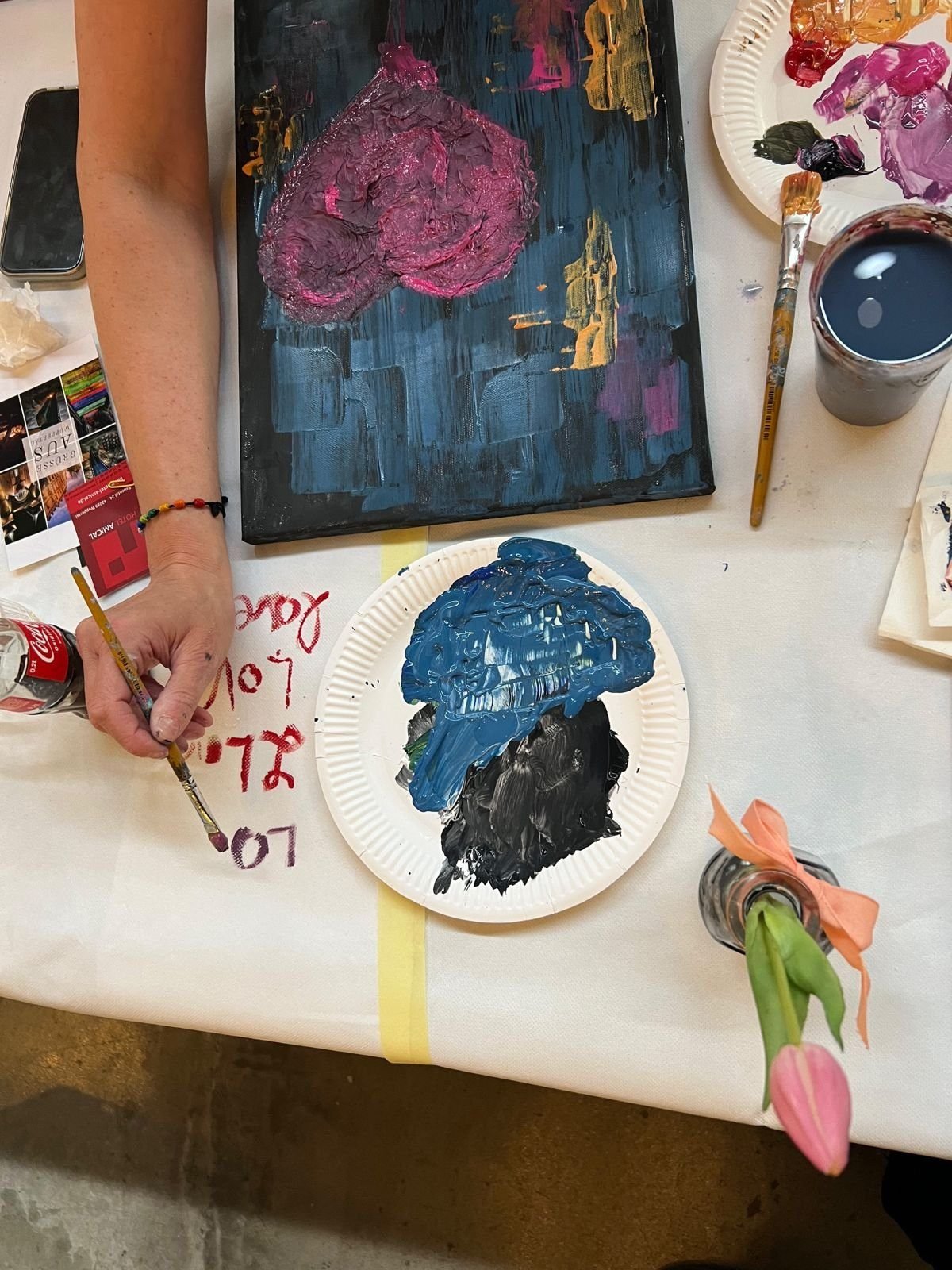
Preparing for a painting course is simple: read the course description carefully, check which materials are provided, wear clothes that can take some paint, and – if requested – bring a well-chosen reference photo. Then you can concentrate fully on painting during the course.
In this article you will find a practical checklist for oil and acrylic painting courses. It is general advice; what to bring to a specific course is always stated in its course description.
Preparing for a painting course: read the description first
The most important step only takes five minutes. The course description usually states which technique is used, whether prior experience is required and which materials you need to bring yourself. Pay particular attention to these points:
- Technique: oil, acrylic, mixed media, charcoal or clay?
- Materials: provided, partly provided, or do you bring everything yourself?
- Subject: is there a fixed theme, or should you bring your own reference?
- Format: is there a recommended canvas size?
If anything is unclear, ask beforehand. That is better than standing at the easel with the wrong materials.
Materials checklist for an acrylic painting course
If you bring your own materials, the following basic kit has proven itself for acrylics:
- Acrylic paints: titanium white (a larger tube is useful), a light yellow, a warm and a cool red, ultramarine blue, burnt sienna or another earth tone, possibly black.
- Brushes: a few flat and round brushes in different sizes, synthetic or bristle.
- Palette knife: handy for mixing and for impasto textures.
- Support: primed canvas or canvas board in the stated format.
- Palette: a plastic palette, a plate or palette paper.
- Water containers: two jars – one for rinsing, one with clean water.
- Spray bottle: keeps the paint on the palette moist for longer.
- Kitchen roll or cotton rags.
Materials checklist for an oil painting course
For oils the basic kit is similar, but mediums and cleaning are added. You will find a detailed explanation of each item in my article Oil painting for beginners: what do I need for my first attempt?.
- Oil paints: a limited palette of white, yellow, red, blue and earth tones is enough.
- Brushes: bristle brushes for applying paint, a few soft brushes for fine transitions.
- Medium: such as linseed oil or a ready-made painting medium – only as the tutor advises.
- Thinning and brush cleaning: ask beforehand whether solvents are allowed in the room. Low-odour products are often preferred, or brushes are cleaned with oil and soap.
- A sealable jar for used cleaning liquid.
- Rags: plenty of them, ideally cotton.
- Support: primed canvas or panel.
Important when transporting oil paintings
After a day in class, oil paint is far from dry. Plan how you will get the wet painting home: for example lying flat in the car boot, with spacers, or in a box where nothing touches the painted surface.
Not sure which type of paint suits you better? Read Oil or acrylic: which paints are better for beginners? first.
The right clothing
Paint finds its way onto sleeves and trouser legs – that is part of it. Once dry, acrylic is almost impossible to remove from fabric, and oil paint leaves stubborn stains.
- Clothes that may get dirty, or an apron or old shirt on top.
- Comfortable, closed shoes – you often stand at the easel for a long time.
- Layers, in case the room is aired to help paintings dry.
- Tie back long hair and take off rings and bracelets.
Reference photos: choosing the right subject
Many courses let you bring your own subject, for example for a portrait or an animal picture. A good reference makes the work much easier.
How to recognise a good reference photo
- Clear light: a distinct light source from the side, no flat flash lighting.
- Good resolution: details should still be visible when enlarged.
- Simple composition: one main subject, a calm background.
- For portraits: the face large in the frame, with the camera roughly at the person's eye level.
It is best to print the reference, for example in A4. A print can lie next to the canvas, can have a grid drawn on it and does not depend on battery life or screen brightness. Bring the digital file as well in case you want to zoom into details.
Your workspace in class – and at home
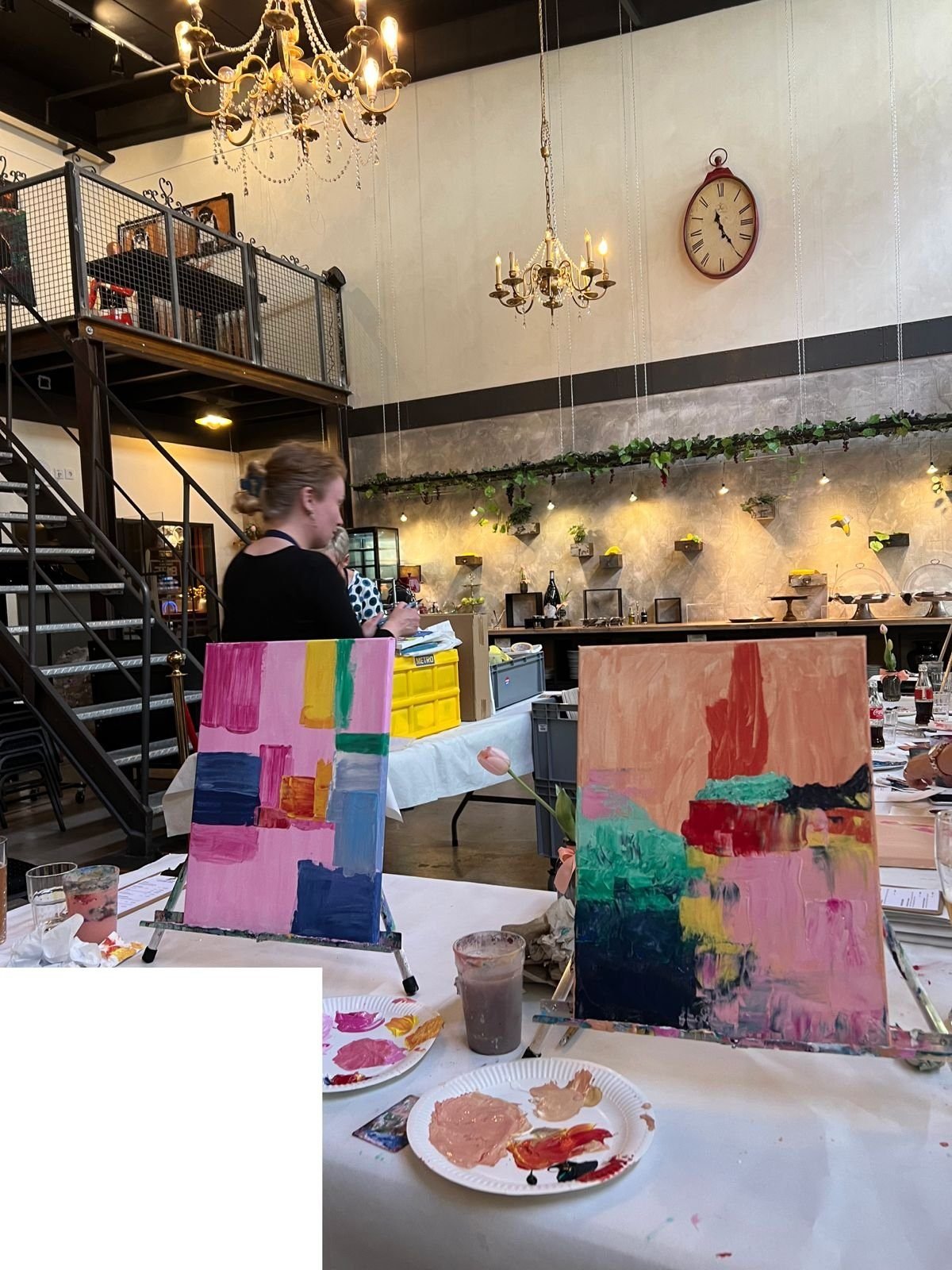
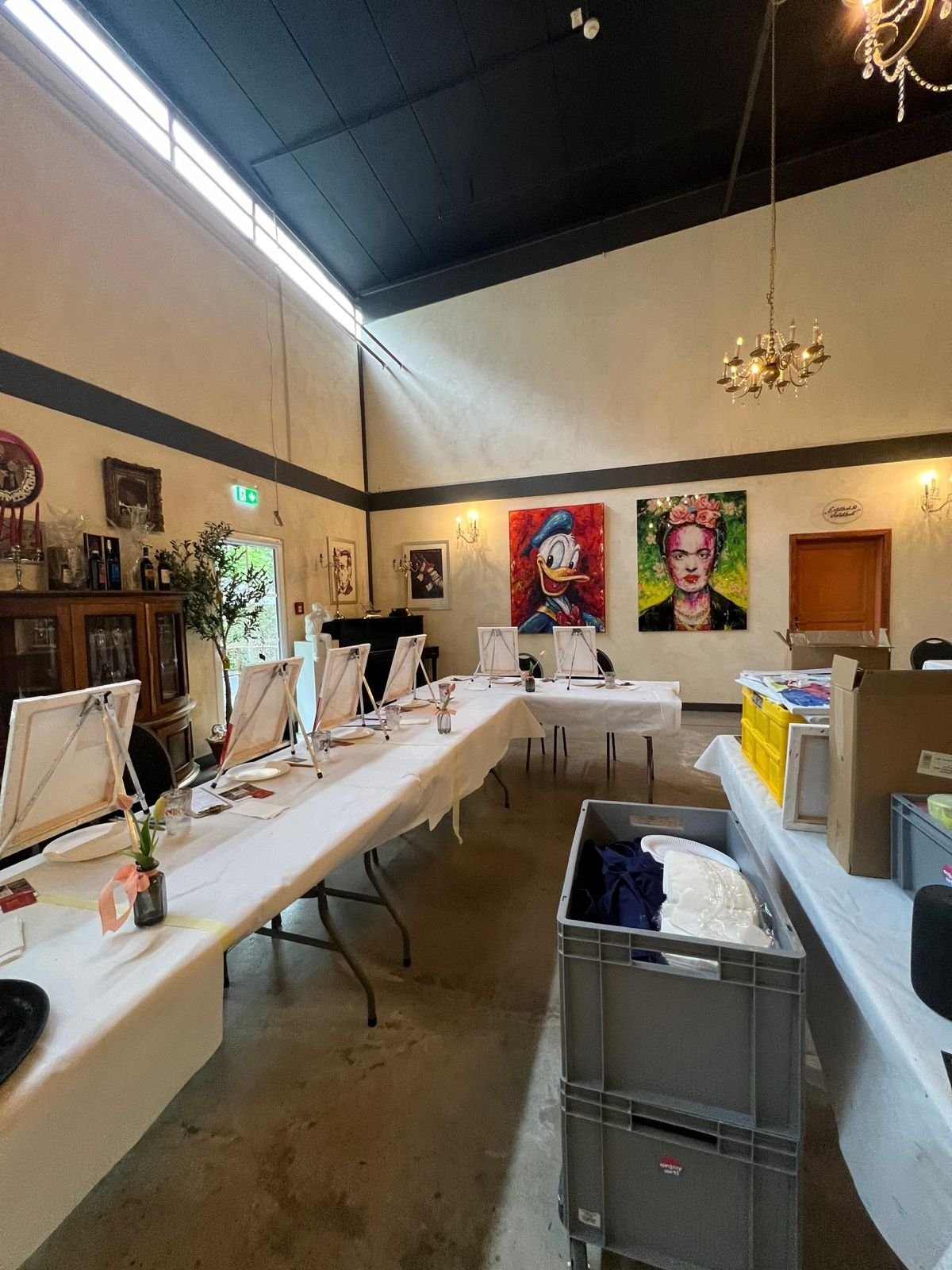
Easels and tables are usually available in the course room; whether they are is also stated in the course description. Arrive a few minutes early to set up your place calmly: light from the side, palette on the side of your painting hand, water or medium within reach.
If you want to keep painting at home after the course, a bright spot by the window, a washable surface and a place where wet paintings can dry undisturbed are enough. With oils, a well-ventilated room is important.
Mental preparation: come with open expectations
The best preparation is not just a full bag but also a relaxed attitude. A course is a place to try things out. Not every picture has to be finished or perfect at the end – what you have learned matters more.
And remember the little things: something to drink, a snack for the break and a bag for rubbish and used rags.
Frequently asked questions
Do I have to bring my own materials to a painting course?
That depends on the course. Some courses provide materials, for others you bring your own. The course description will tell you.
How big should the canvas be?
Follow the tutor's recommendation. Medium formats suit beginners well: large enough for free movement, small enough to make progress within the course time.
How do I get a wet oil painting home?
Lying flat, painted side up and secured so that nothing touches the surface – for example in a suitable box.
What if I have forgotten something?
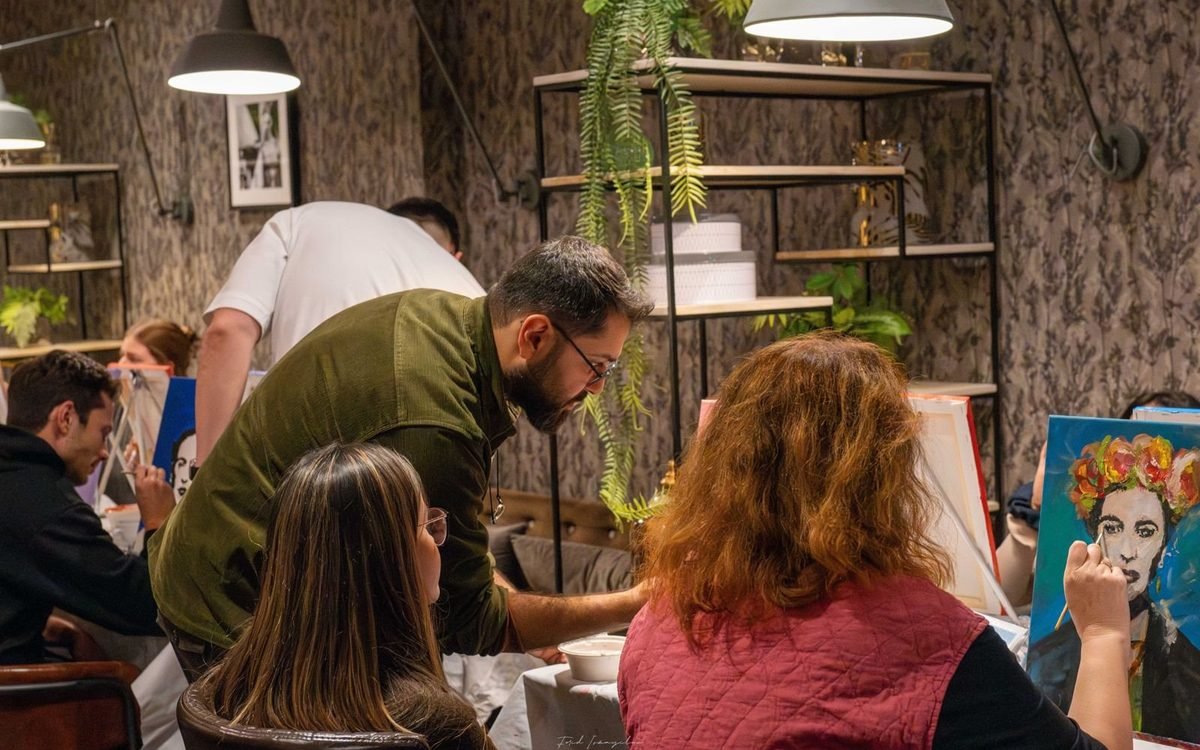
Talk to the tutor. A solution can often be found with a little improvisation.
Conclusion: well prepared, you paint more freely
With a little preparation – reading the course description, checking your materials, the right clothes, a good reference photo – you gain time and calm in class for what really matters: painting.
Looking for a course in oil, acrylic or mixed media? On the painting courses and workshops page you will find my current offers – among others at the Kunsthalle Eil-Porz in Cologne.
Gallery