Painting with Children in a Workshop: How a Family Workshop Becomes a Shared Experience
Painting with children in a workshop works best when adults and children don't paint side by side but together: on a motif that both enjoy, with materials ready on the table and guidance that leaves room for their own ideas. That way you don't just end up with a picture, but with a shared experience the whole family will remember.
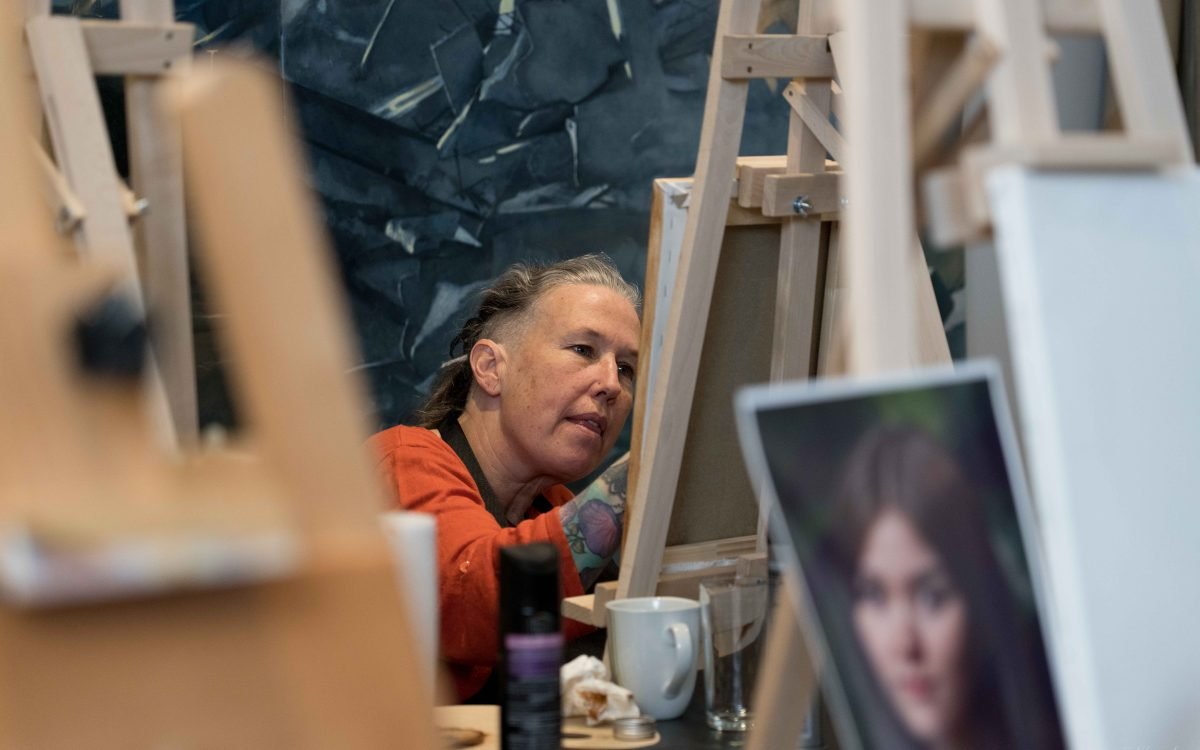
As an artist and art teacher, I offer family workshops alongside my courses for adults, where children paint together with adults. In this article I explain how such a workshop works, which motifs are suitable and how you can support your child without taking the brush out of their hand.
Why a painting workshop with children is more than crafts at the kitchen table
At home, exactly what makes a workshop special is often missing: time without distractions, enough space and materials that don't have to be gathered first. In a workshop, canvas, paints, brushes and aprons are ready. Nobody has to scrub the table afterwards, and everyone can focus on painting.
Then there is the guidance. Children and adults learn in small, clear steps how a picture is built up: background first, then the large shapes, details last. This structure gives confidence, and adults who haven't painted since school are often surprised how much they manage in a short time.
And finally, children experience their parents or grandparents not as the ones who explain, but as fellow learners. That changes the mood at the table – you marvel together, experiment and laugh about the odd failed brushstroke.
How a family workshop works
- Arriving and settling in: each family gets its place, aprons are handed out, materials are ready.
- Short introduction: I show the motif and explain the main steps – clearly and without jargon.
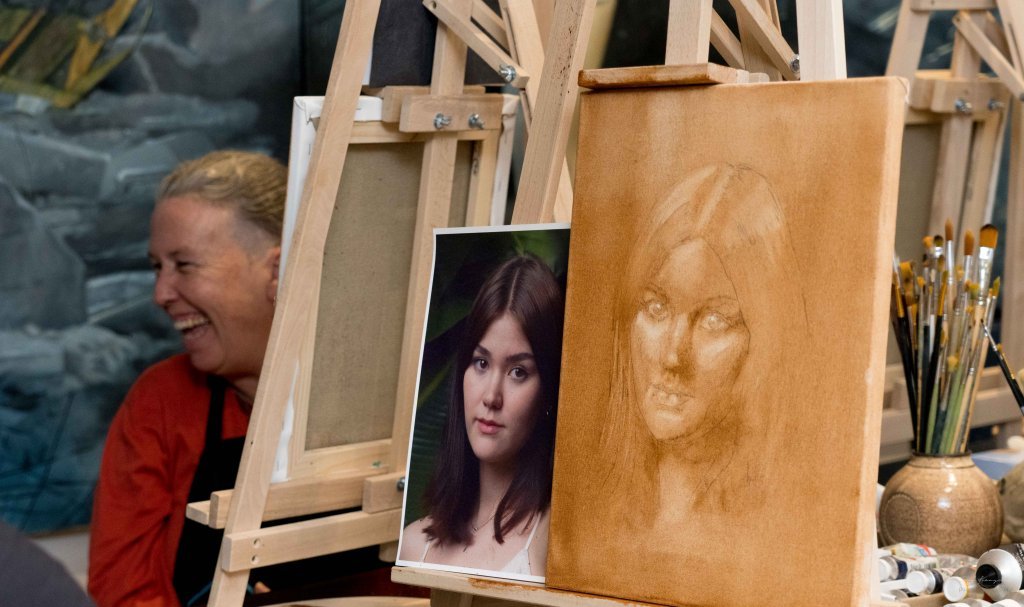
- Painting in stages: we work step by step. I demonstrate techniques directly on the canvas and go from table to table.
- Own ideas: once the basis is there, every picture may go its own way – different colours, an extra animal, a sky of your own.
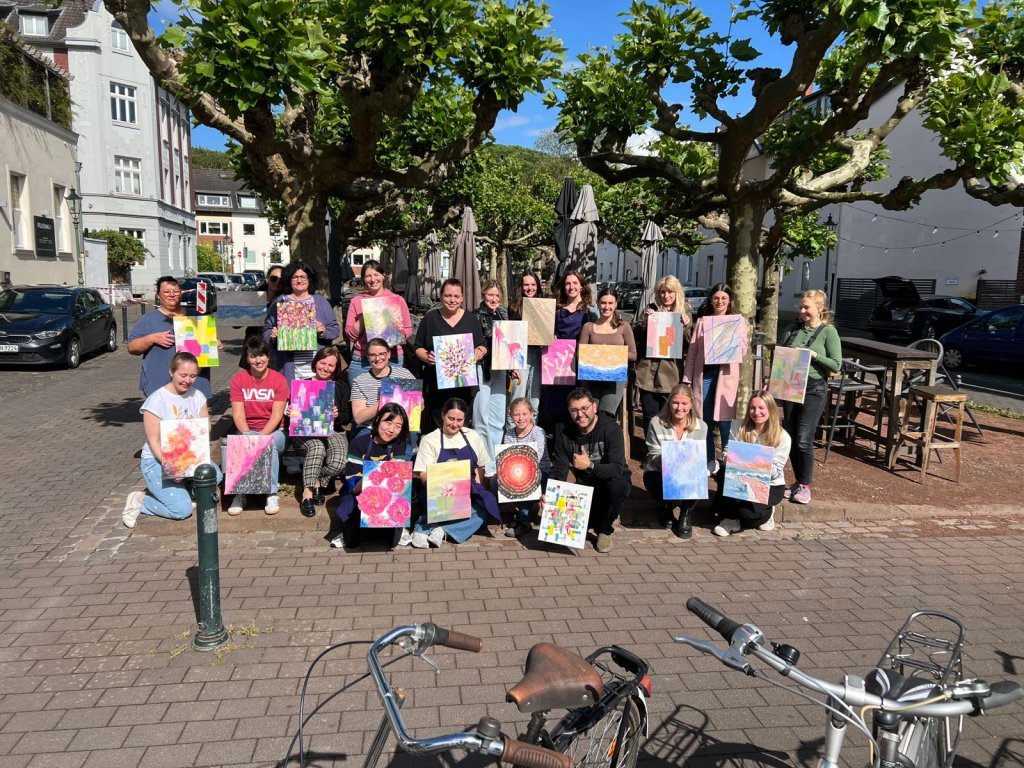
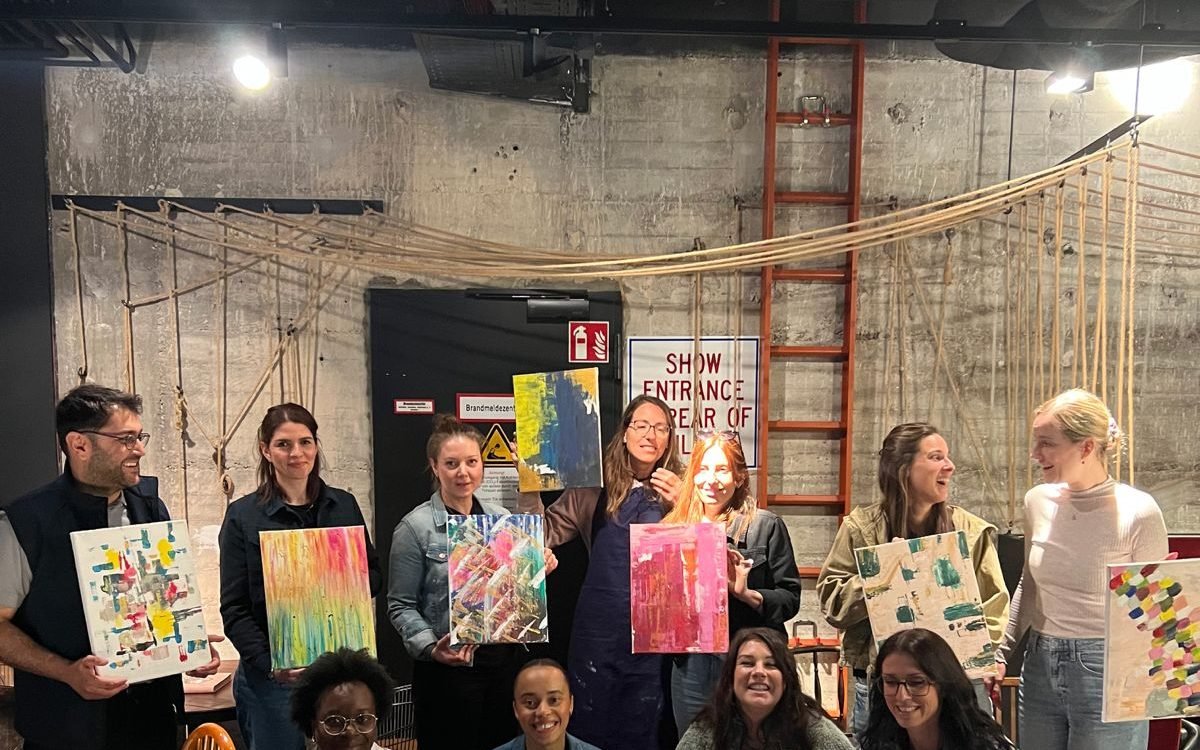
- Finish: we look at the pictures together, and every child goes home with their own artwork.
The easiest way to find out which family workshops are planned and which ages they suit is to ask me directly via the contact page.
Which motifs suit painting with children
A good family motif has clear shapes, cheerful colours and forgives small inaccuracies. Proven choices are animals built from simple shapes like circles and ovals, the seasons with large areas to try things out, and fantasy pictures that give children the freedom they love.
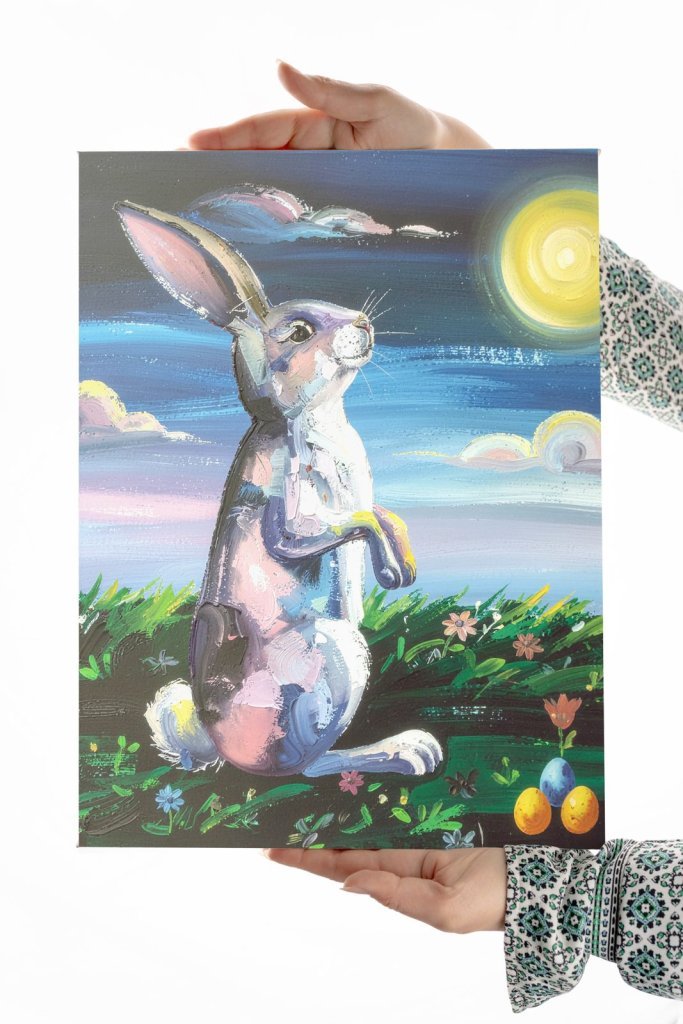
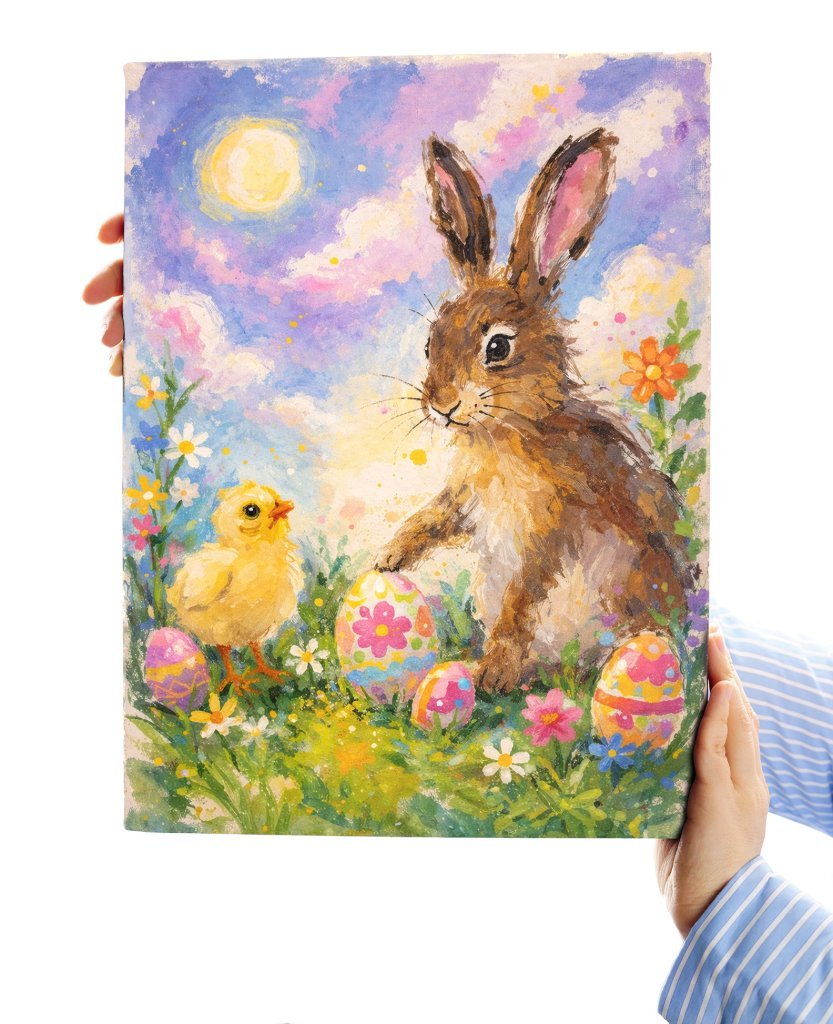
One example from my programme is "Osterfreunde – Dein erstes Frühlingsbild" (Easter friends – your first spring picture). It is suitable for all levels: step by step we create a cheerful motif with a bunny and chicks using loose, beginner-friendly techniques. It's not about perfection but about the joy of painting. Its dates are in spring – you can find them on the course page.
Acrylic paint: the right material for families
In my courses we mostly work with acrylics, and for families they are ideal. They dry quickly, can be thinned with water and are easy to handle – for delicate transparent layers as well as strong, opaque areas.
Wet-on-wet painting is particularly good for children: fresh colours are painted into each other while still damp, creating soft transitions without long waiting. Small imperfections are explicitly welcome. One practical tip: acrylics wash out with water while wet, but hardly once dry – so wear clothes that can take some paint, even if an apron is provided.
How to support your child while painting
- Ask instead of correcting: "What is this going to be?" opens a conversation; "that's wrong" ends the fun.
- Leave the brush with your child: even if the bunny turns purple – it's their picture.
- Paint yourself: children take their cue from you. If you apply colour boldly, they dare to as well.
- Praise specifically: "The colour in the sky has become so soft" means more than a general "great".
- Allow breaks: a child who steps away often comes back with a new idea.
If you feel unsure because you "can't paint": that's no obstacle. I describe how to get started without experience in Learning to paint without prior knowledge.
Frequently asked questions
Do children or parents need prior experience?
No. Family workshops are designed so that everyone can join without experience. I explain every step and help at every table.
From what age can a child take part?
That depends on the workshop and the motif. Please ask via the contact page before booking, and I'll tell you whether it suits your child.
What do I need to bring?
Materials are usually provided. Mainly bring clothes that may get dirty and something to carry the still-fresh painting home.
Conclusion: painting together connects
A painting workshop with children gives families what everyday life often lacks: undivided time, a shared goal and the experience of creating something with their own hands.
Would you like to join a family workshop with your child? Write to me via the contact page or see all current dates under painting courses and workshops.
Gallery