Learning to Paint as an Adult: Is It Ever Too Late?
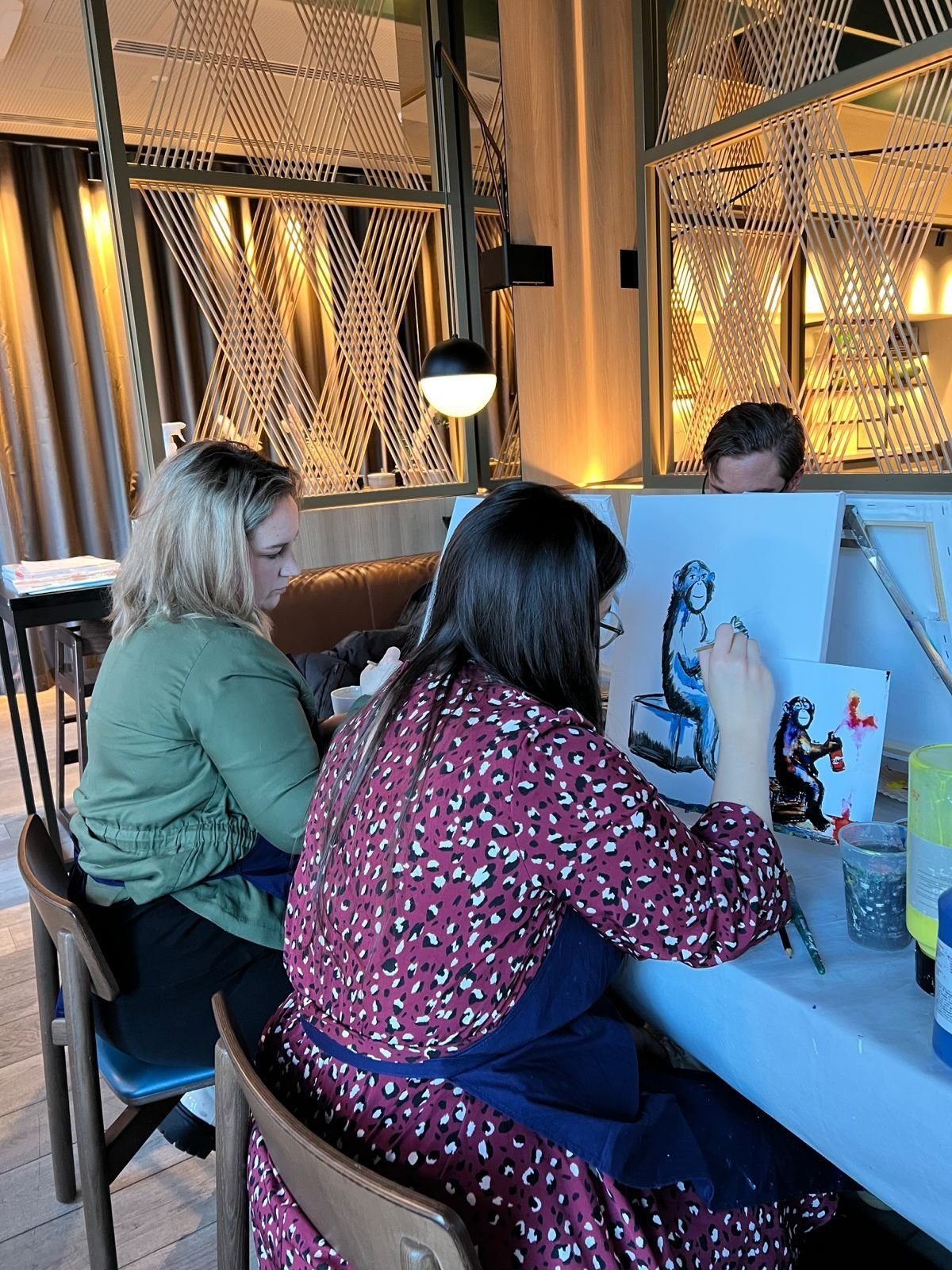
No, it is not too late. Learning to paint as an adult is possible at any age – at 30, at 50 and at 75. Painting is not an inborn talent but a skill built from seeing, practising and understanding, and adults are often better at exactly these things than children: they are patient, they ask questions and they know why they want to learn.
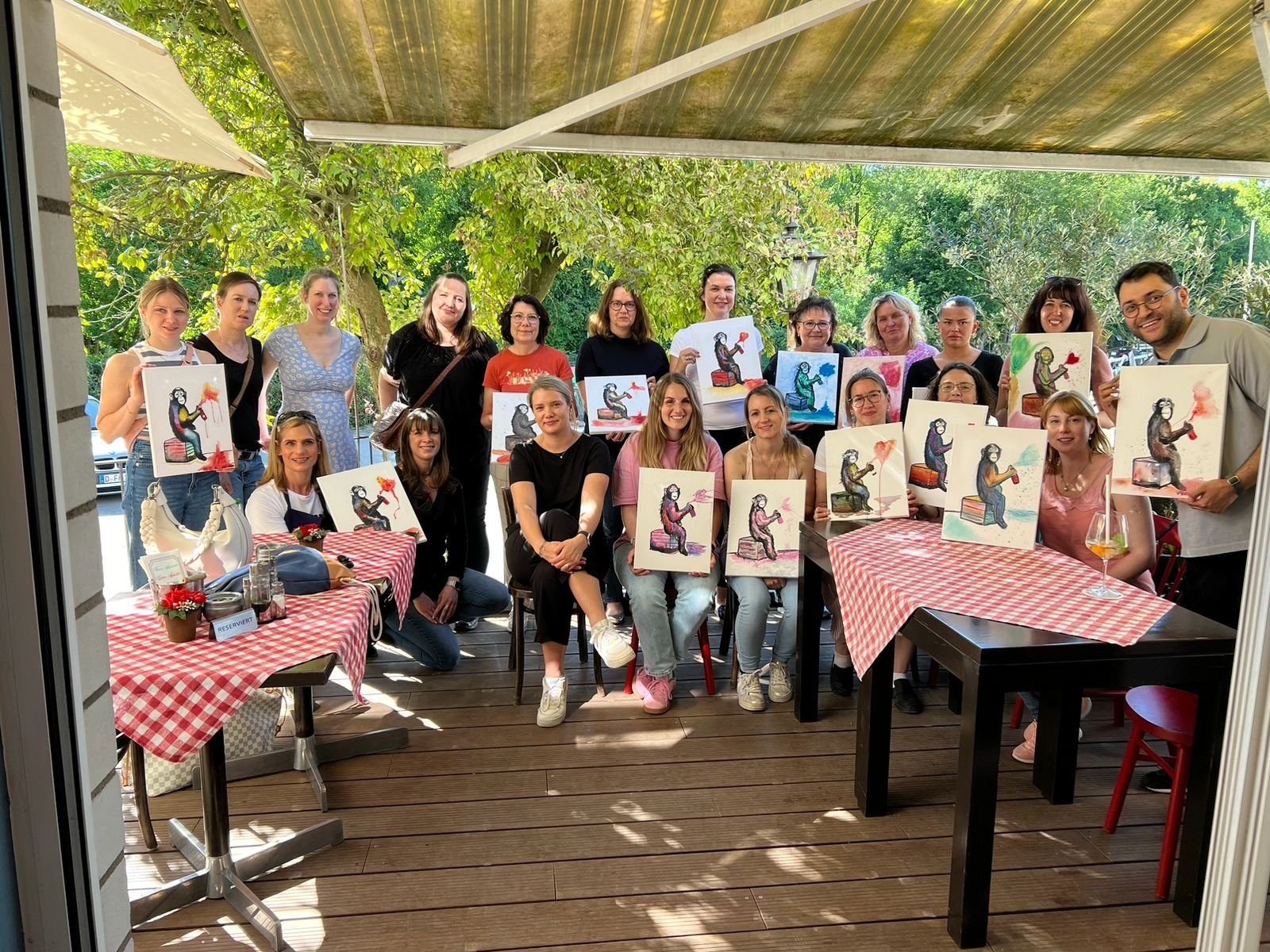
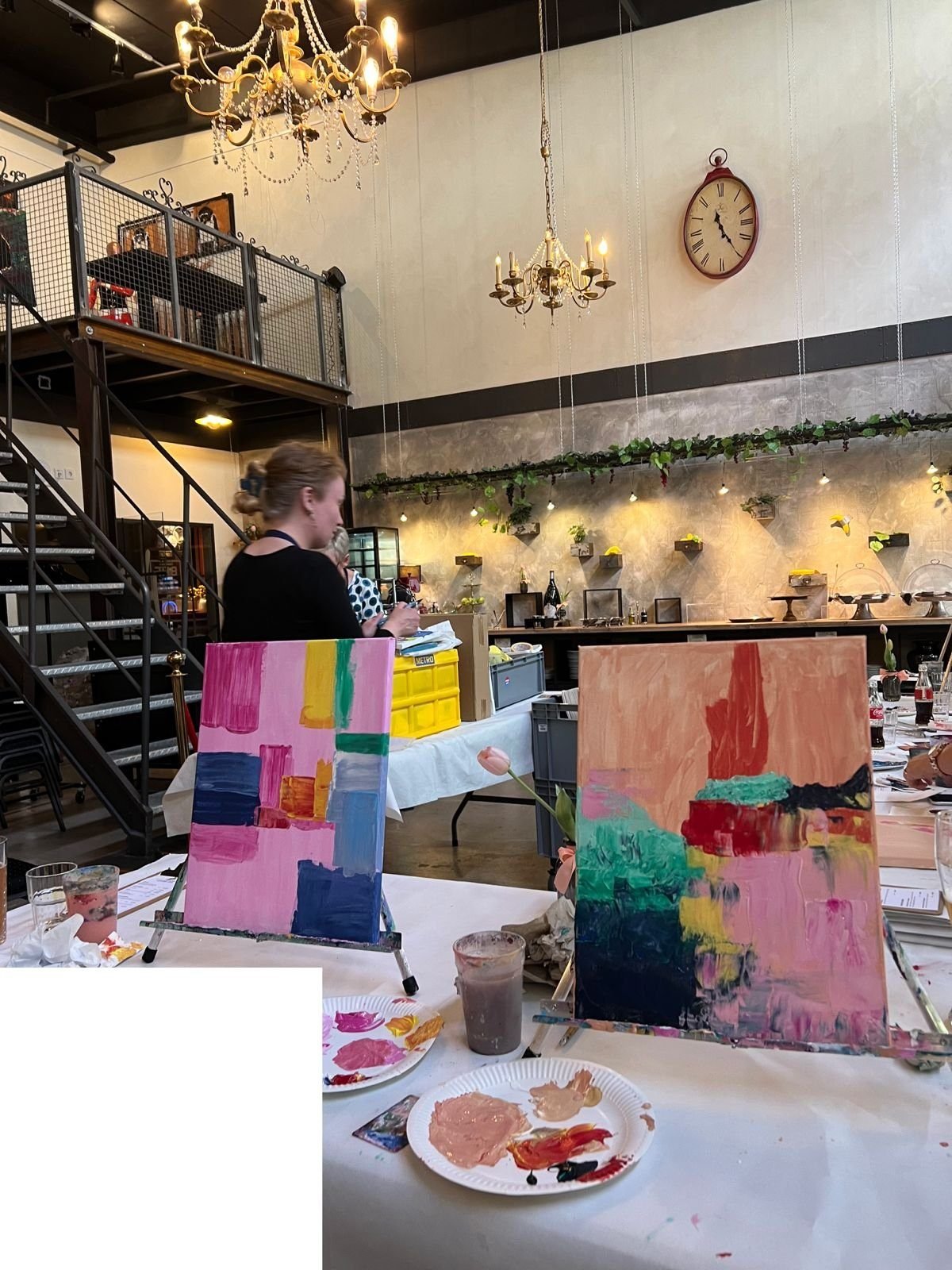
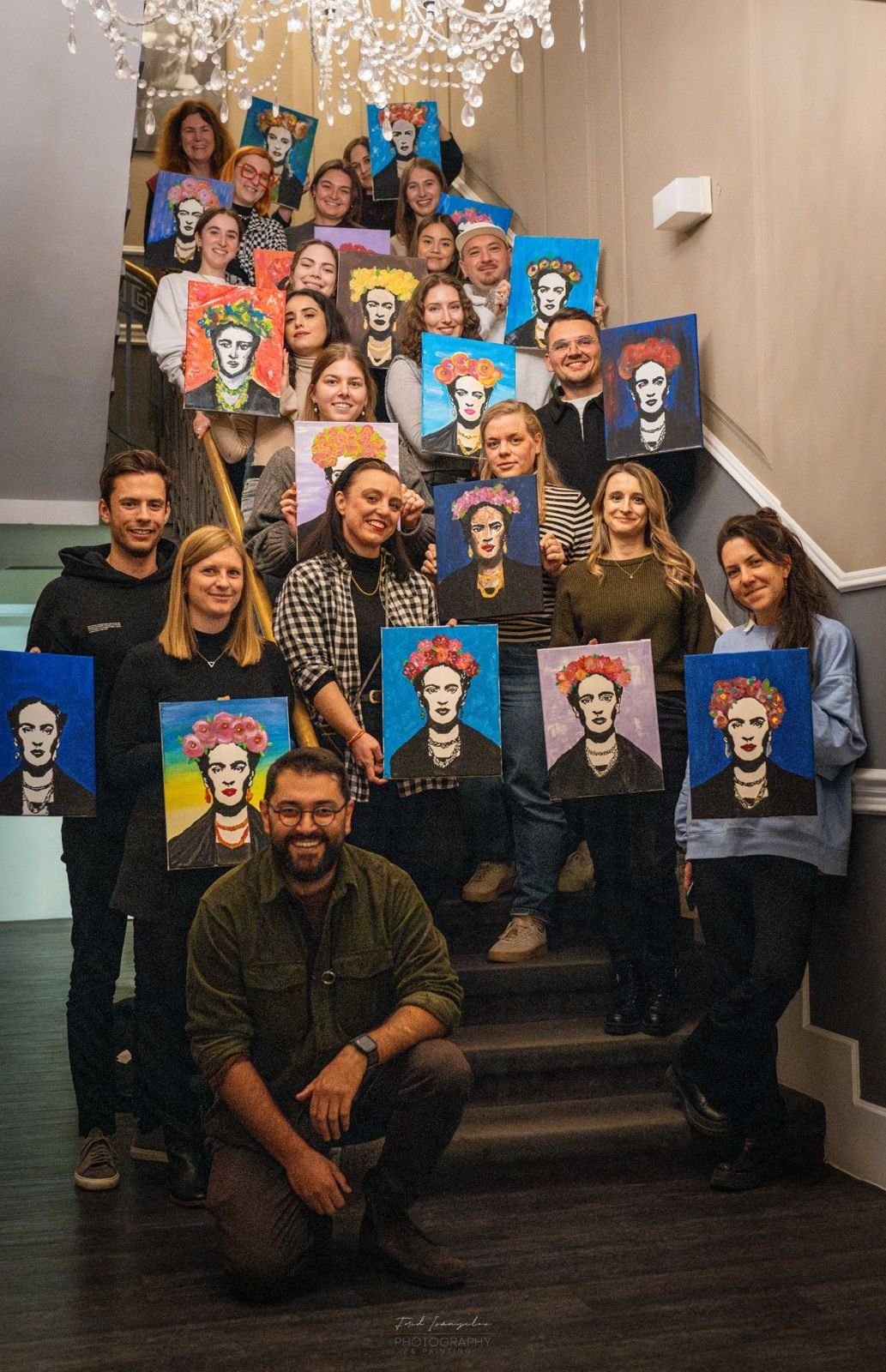
As an artist and teacher I give painting courses and workshops for teenagers and adults. In this article I explain why starting later in life works well, which fears almost every beginner has, and how to take your first steps.
Learning to paint as an adult: why age doesn't matter
Many people believe you have to start painting as a child to ever do it "properly". That is not true. Drawing and painting rely on abilities you can train: judging proportions, distinguishing light and dark, simplifying shapes, mixing colours. These are tools, not gifts.
I spent about ten years studying at art schools – in Baku and later for my Master of Fine Arts at the Alanus University of Arts and Social Sciences. What I learned there above all is this: even academic painting is a craft that is built up in clear steps. Any adult can follow these steps.
What adults bring to learning
- Patience and stamina: you can consciously take time for an exercise.
- Life experience: you have seen pictures, places and people that move you – that is your material.
- Clear motivation: you learn voluntarily because you really want to.
- An understanding of theory: terms like tonal value, complementary colour or glaze are easy to explain and apply.
The most common beginner's fears – and what lies behind them
Almost every adult who starts painting knows similar thoughts. It helps to name them.
"I can't even draw a stick figure."
This is the most common sentence – and not an obstacle. A stick figure is a symbol, not an observation. In class you learn to draw not what you think you know, but what you actually see. This shift in perception is the real beginning.
"The others are surely much better."
A group brings together people with very different backgrounds. A good course does not compare; it supports everyone where they are. Your benchmark is your own picture from last week, not the one on the next table.
"My picture won't be beautiful."
Your first picture doesn't have to be beautiful. It is an exercise. The parts that go wrong show you most clearly what you can learn next.
How creative development works for adults
Progress in painting is rarely steady. There are often phases where nothing seems to happen, followed by a sudden leap – for instance when you manage to render volume convincingly with light and shadow for the first time. That is normal.
A sensible order helps:
- Learning to see: grasping simple shapes, proportions and light-dark values.
- Drawing: building up simple objects and later faces in pencil or charcoal.
- Getting to know colour: mixing with acrylic or oil, telling warm and cool tones apart.
- Choosing your own subjects: still life, landscape, portrait or free, abstract work.
If portraits interest you, the Loomis method for drawing portraits is a good, clearly structured place to start.
Which technique is best for getting started?
For adults without prior knowledge I recommend starting with pencil or charcoal. Drawing trains your eye without you having to deal with colour at the same time. After that, acrylic is an easy route into colour because it dries quickly and thins with water.
If you are drawn to the depth and luminosity of classical paintings from the start, you can also begin directly with oils. I explain the pros and cons of both in detail in my article Oil or acrylic for beginners.
Practise alone or join a painting course?
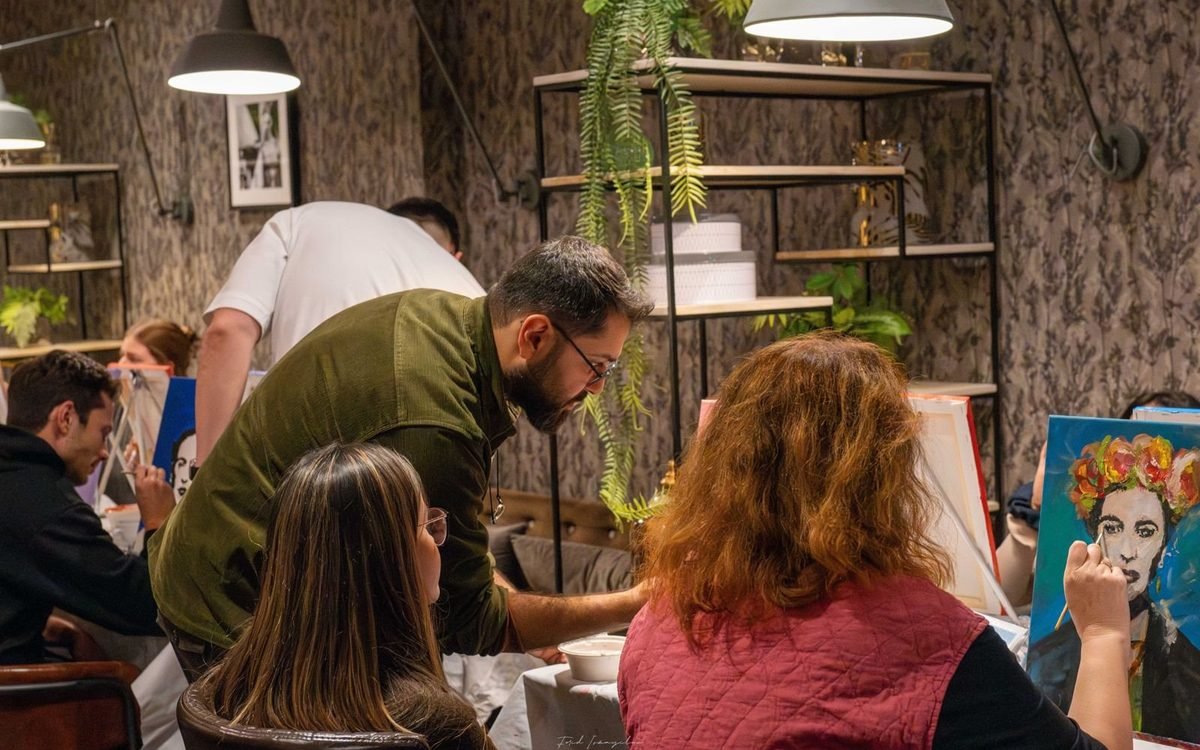
Both have their place. Practising alone is important so that what you have learned sinks in. A course, however, gives you something you can hardly get on your own: someone who looks at your picture and tells you why the proportions are off or a colour looks dull.
Then there is the atmosphere. Painting in a group takes the pressure off. You see that everyone is working on similar questions, and you are more likely to keep going because there is a fixed date in your calendar.
If you would like to start at home first, my video course Drawing for Absolute Beginners on Udemy is a good preparation for, or addition to, an in-person class.
First steps: how to begin
- Start small: a sketchbook, a soft pencil (for example 2B) and an eraser are enough.
- Often rather than long: twenty minutes on several days achieve more than one long afternoon.
- Simple subjects: a cup, an apple, a shoe – objects with clear shapes and distinct light.
- Date your drawings: after a few weeks you will see in black and white how much you have learned.
- Try a course: a workshop quickly shows you which technique and subject suit you.
Frequently asked questions
Do I need talent to learn painting as an adult?
No. Interest and a willingness to practise matter more than talent. The fundamentals – proportion, tonal value, colour mixing – can be learned.
Am I too old for a painting course at over 60?
No. There is no age limit for painting. What matters is that you can learn at your own pace and receive good guidance.
How quickly will I see progress?
That varies. Many notice after the first exercises that they look more closely. Bigger steps, such as a convincing portrait, take more time and regular practice.
Should I start with drawing or painting?
I recommend starting with drawing because it trains your eye. But you can also go straight into a painting course; good courses teach the drawing basics along the way.
Conclusion: the best time is now
Learning to paint as an adult is not a race against time but a discovery that can begin at any age. With clear fundamentals, some patience and good guidance, you will soon create pictures you can be proud of.
Take a look at my current painting courses and workshops – among other places, they take place at the Kunsthalle Eil-Porz in Cologne. I look forward to accompanying you with your first brushstroke.
Gallery