Drawing Supplies for Beginners: What You Really Need – and What You Don't
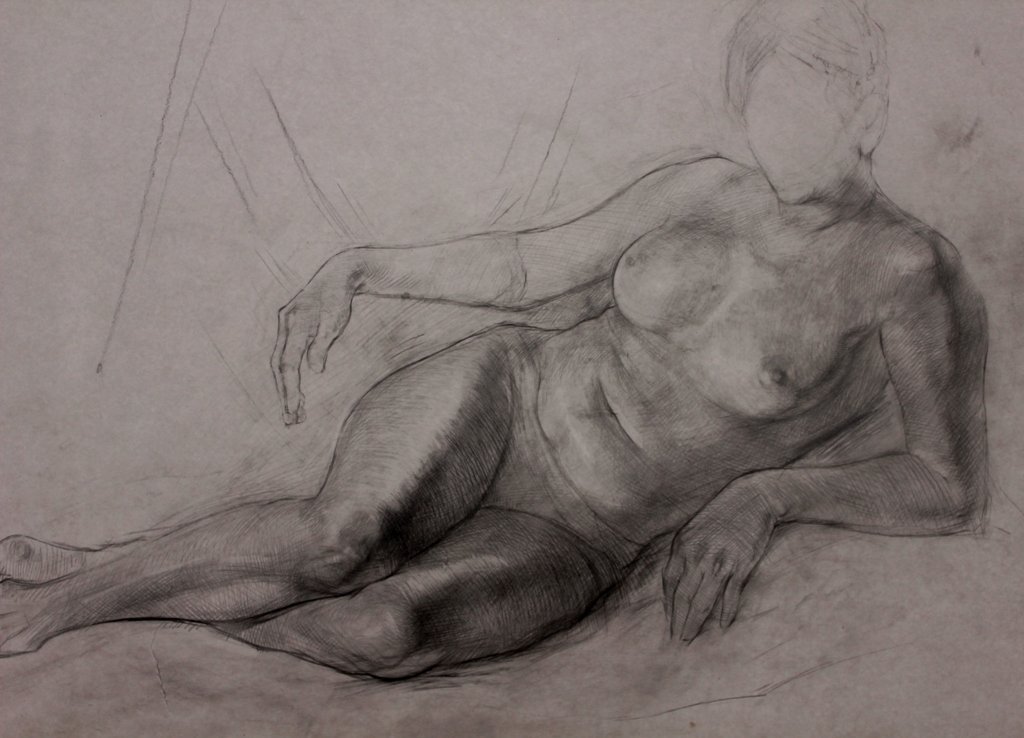
Good drawing supplies for beginners are a short list: three or four pencils of different grades, a kneaded eraser, a sharpener or craft knife and a pad of reasonably heavy paper. If you want to work with light and shadow later, add charcoal and a blending stump. That's all you need to start – expensive 40-piece sets usually stay half unused.
In this article I explain which materials are worth buying, what to look for and how to use each tool well.
Pencils: understanding the grades
Pencils – more precisely graphite pencils – are graded by hardness:
- H (hard): light, fine lines. H and 2H are good for construction lines that should barely show later.
- HB: the middle – the classic writing pencil, fine for sketches and mid-tones.
- B (black): soft leads, dark and rich lines. 2B and 4B are ideal for shadows, 6B and softer for the deepest darks.
To start, I recommend four pencils: 2H, HB, 2B and 4B. Buy single pencils of good artist quality rather than a big cheap set – quality leads break less and lay down more evenly.
Charcoal: for large areas and strong contrast
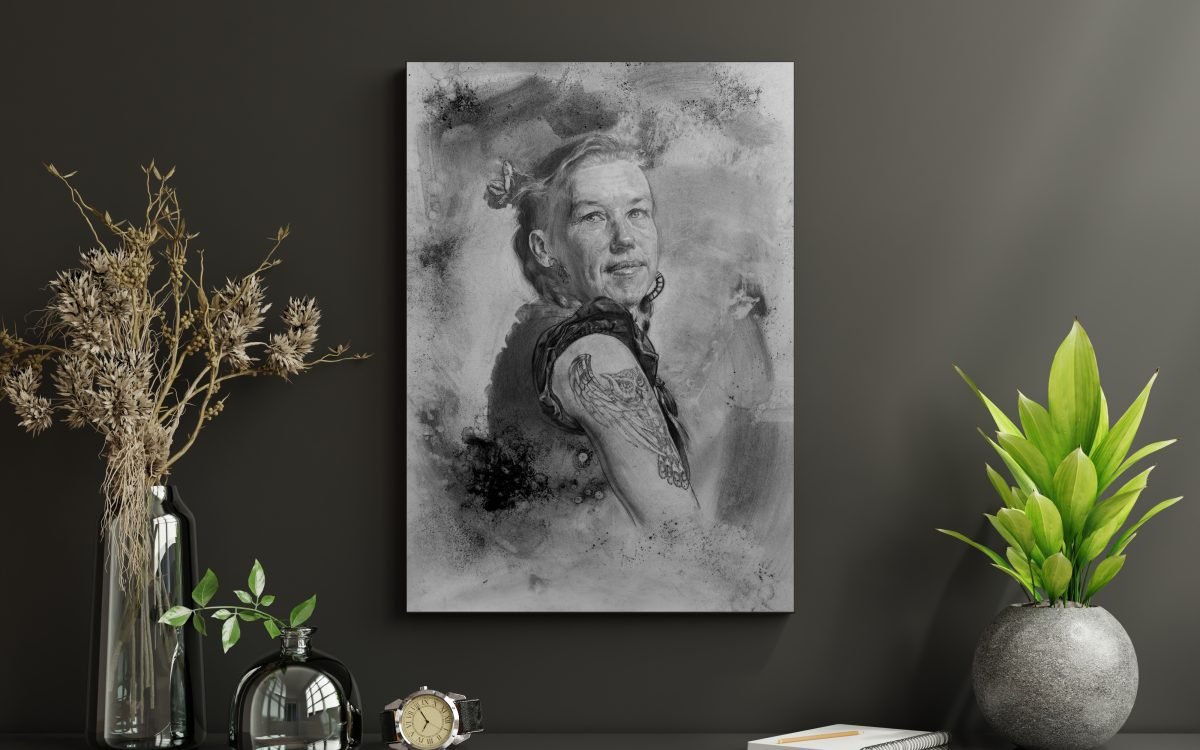
- Willow charcoal: natural burnt twigs. Very soft, easy to blend and lift – perfect for first lay-ins.
- Compressed charcoal: charcoal powder with binder. Darker, denser and harder to erase – for deep blacks.
- Charcoal pencils: compressed charcoal in wood, cleaner to hold and more precise.
Charcoal is dusty. Use a protective sheet and work on a tilted surface so the dust falls away instead of being rubbed into the drawing.
Paper: weight and tooth
- Weight: copy paper is about 80 gsm. For pencil and charcoal use at least 120, better 150–200 gsm, so the paper survives erasing and layering.
- Tooth: smooth paper suits fine detailed pencil work; slightly rough paper holds charcoal better.
An A4 or A3 pad at around 150 gsm is a good compromise. A larger format also helps you draw loosely from the arm rather than tensely from the wrist.
Erasers, blending stumps and sharpeners
Erasers and stumps
- Kneaded eraser: the most important tool of all. It can be shaped, lifts graphite and charcoal gently and lets you "draw" highlights into dark areas.
- Plastic eraser: for clean corrections; cut with a knife it gives a sharp edge for fine highlights.
- Blending stump (tortillon): a tightly rolled paper stick for soft transitions. Please don't blend with your finger – skin oil leaves marks you can't draw over.
Sharpener, craft knife and fixative
A good metal sharpener is enough, but many artists sharpen with a craft knife to expose a long lead for both fine lines and broad side strokes, refining the tip on sandpaper. Fixative is a spray that protects charcoal and graphite from smudging – spray from about 30 cm in several thin coats, ideally outdoors. You don't need it for practice sheets, only for drawings you want to keep.
Drawing supplies for beginners: your shopping list
- Pencils 2H, HB, 2B, 4B (artist quality)
- A kneaded eraser and a plastic eraser
- A metal sharpener or a craft knife with sandpaper
- Drawing pad A4 or A3, about 150 gsm
- Optional: willow charcoal, a charcoal pencil, two blending stumps, fixative
With this kit you can start straight away – for example with a first portrait using the Loomis method or with exercises on light and shadow.
Frequently asked questions
Is an ordinary school pencil enough?
For first sketches, yes. As soon as you want dark shadows, HB reaches its limits – a soft 4B shows the difference immediately.
Pencil or charcoal – which first?
Pencil, because it's cleaner and easier to control. Charcoal is worth it once you want to practise values and large areas.
How do I learn to use the materials properly?
Fastest with guidance. In my online course "Drawing for Absolute Beginners" I show step by step how to work with pencil and eraser.
Conclusion: less material, more practice
The right drawing supplies for beginners fit into a small folder. More important than any tool is drawing regularly and learning to look closely. If you'd rather learn with others and personal feedback, see my current offers under painting courses and workshops.
Gallery