Why a portrait doesn't have to be photorealistic
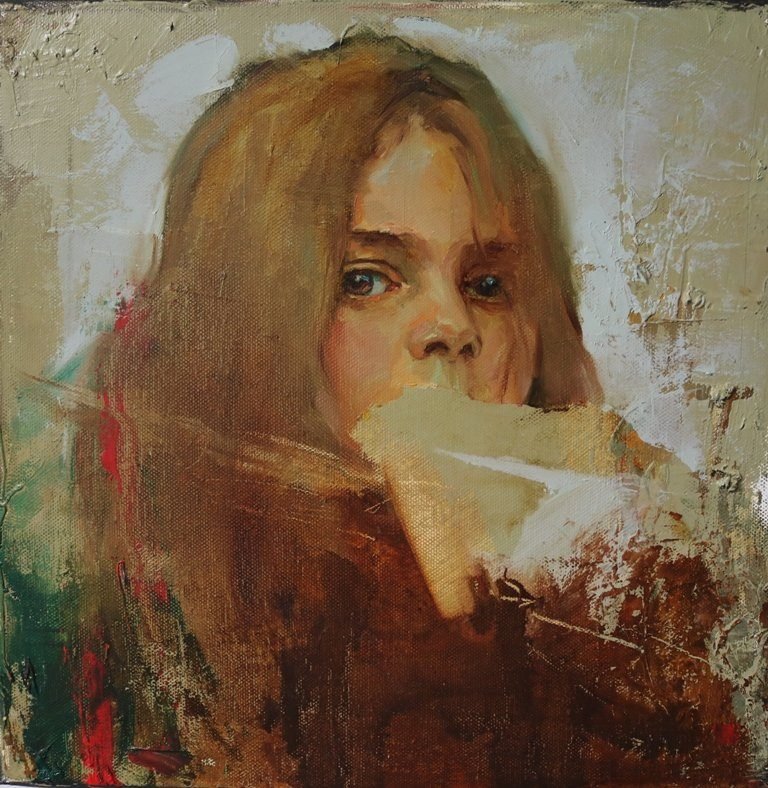
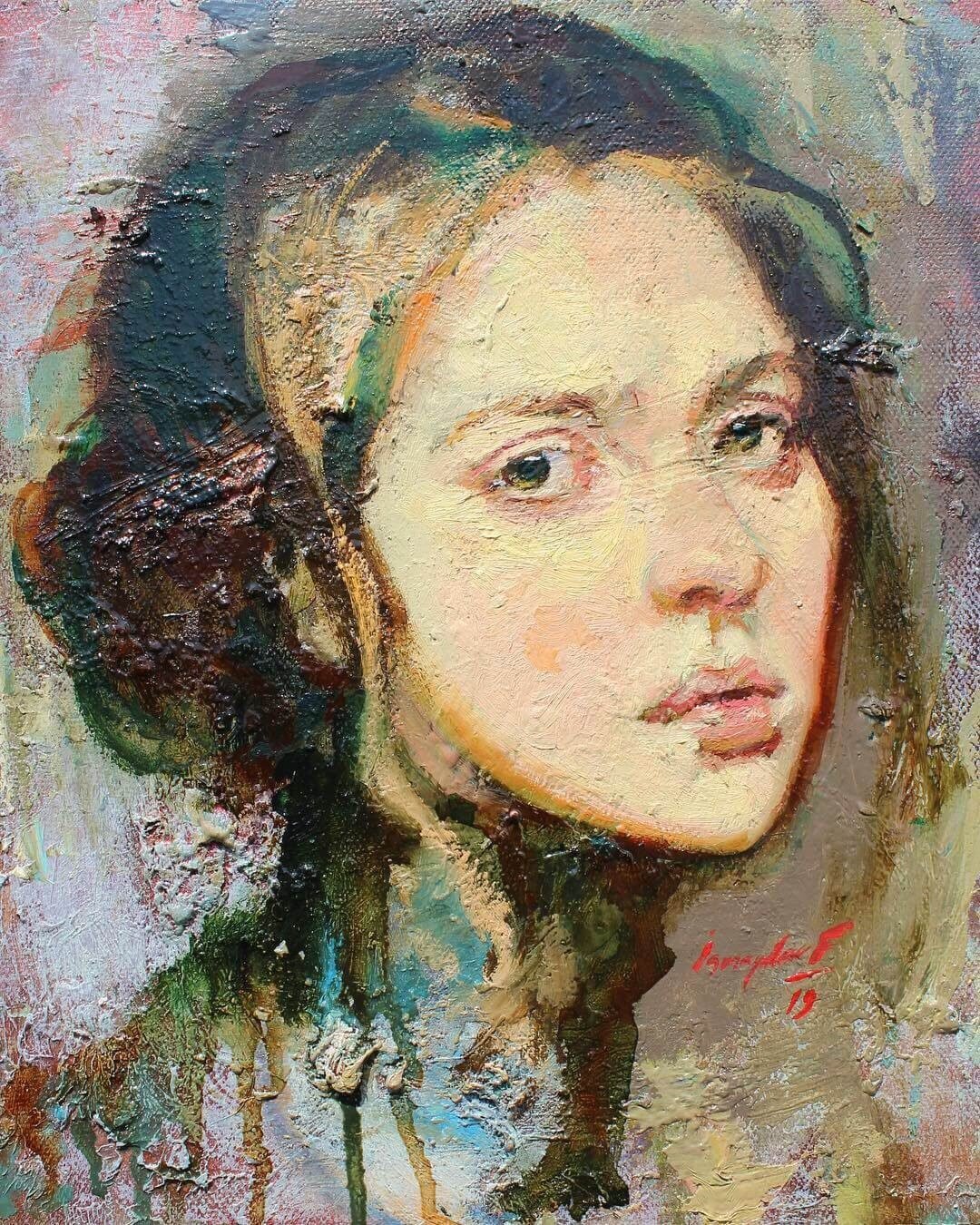
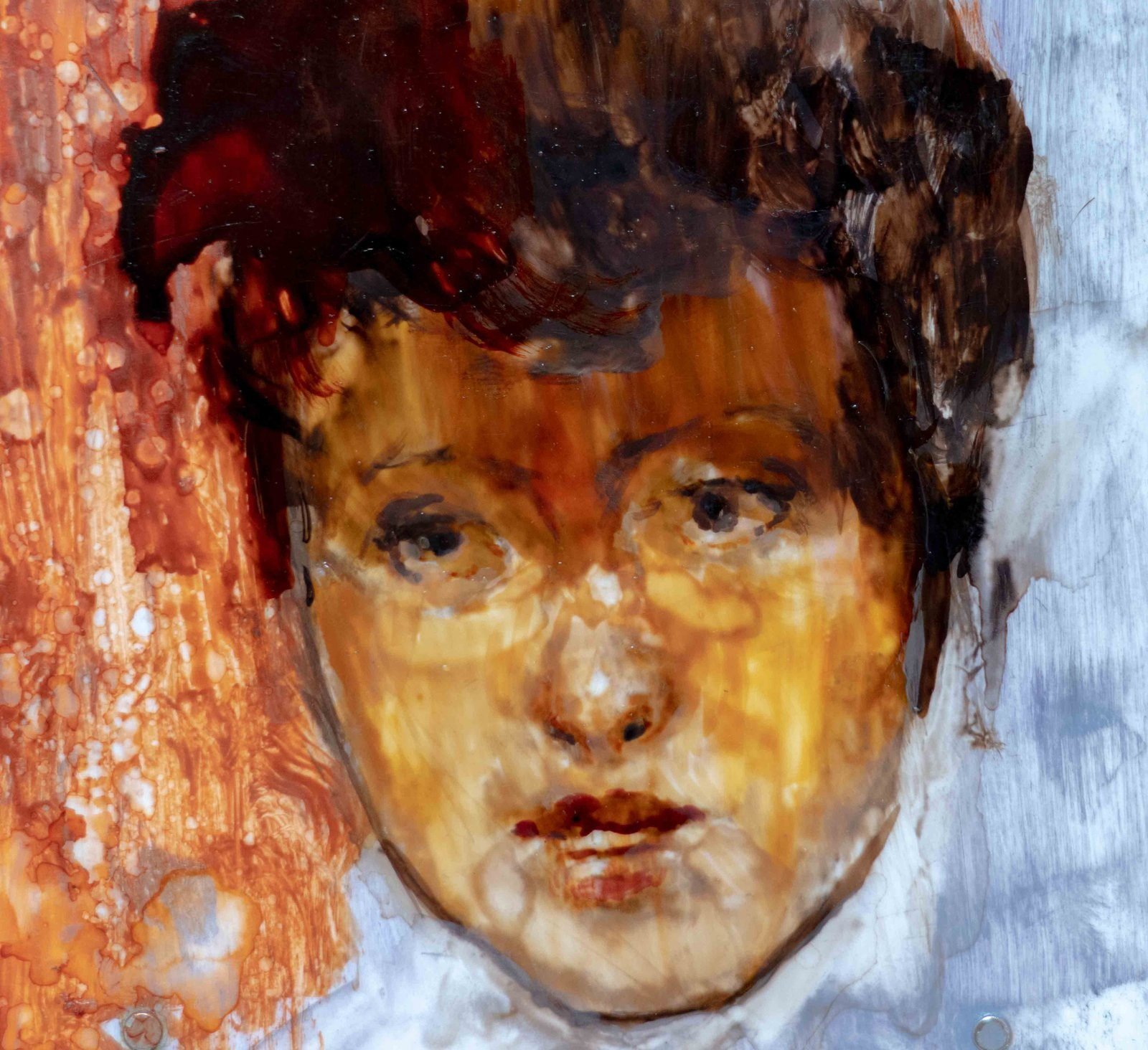
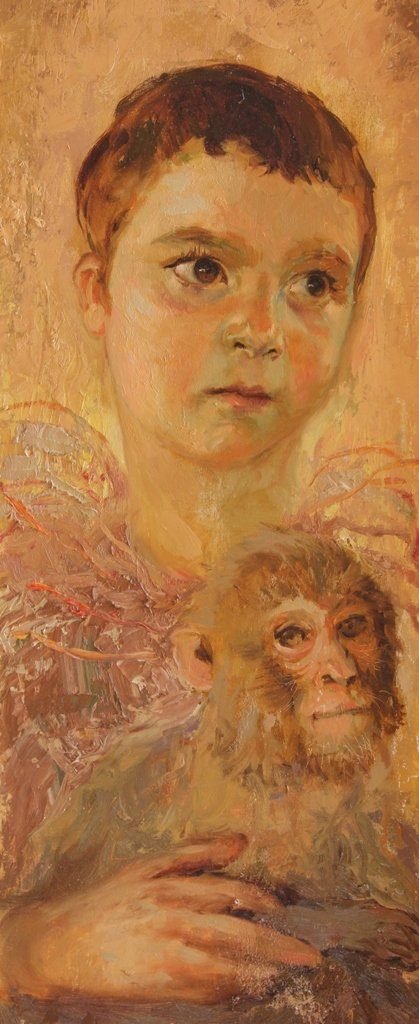
A portrait doesn't have to be photorealistic to be good – it has to capture a person. Personality, posture and presence don't come from every single pore but from smart choices: what do I emphasise, what do I leave out? Photorealism is an impressive direction in painting, but it is not the yardstick every portrait has to be measured against. In this article I explain why, and how you can put expression before precision.
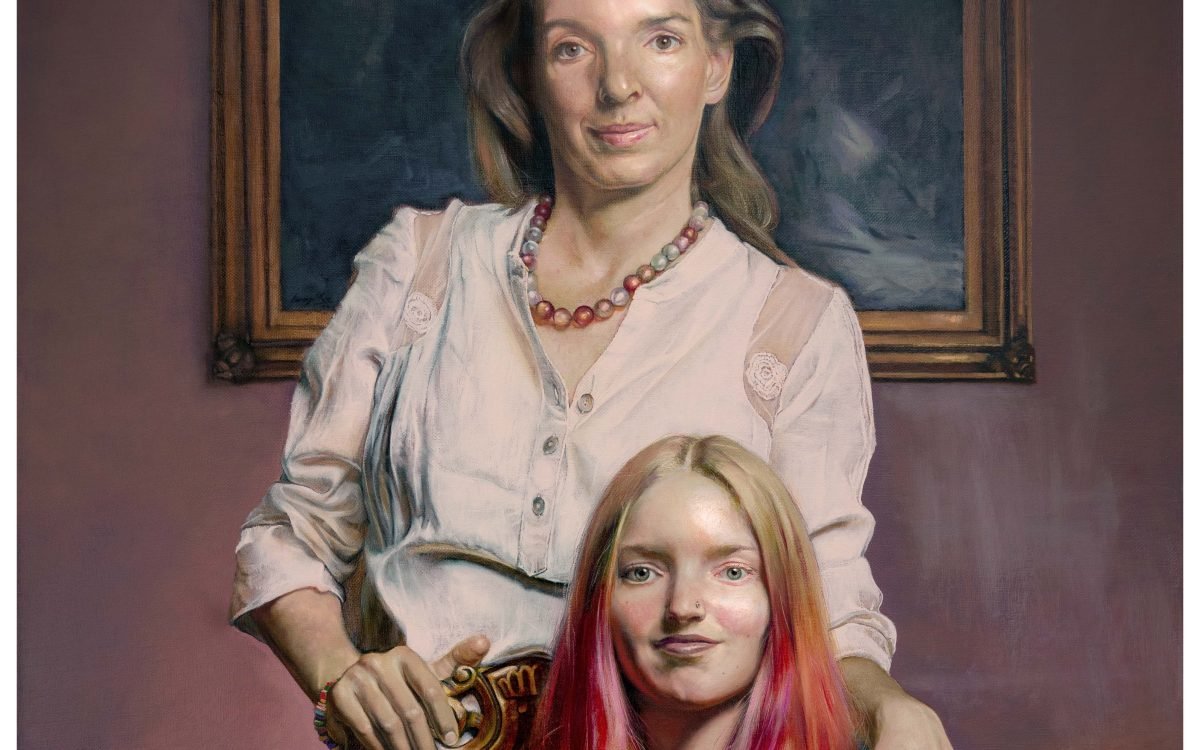
My own focus is the realistic rendering of faces and their expression. That is exactly why one distinction matters to me: realistic is not the same as photorealistic.
What a portrait is really meant to do
A portrait shows a particular person. But what makes that person recognisable? Surprisingly often it isn't the details but the big features: the shape of the head, the tilt of the head, the distance between the eyes, the way someone holds their mouth. Caricaturists use this deliberately. With a few exaggerated lines we recognise a person immediately – sometimes faster than in a photo.
A successful portrait also tells us something: is the person thoughtful, open, reserved, tired, curious? This mood can be expressed through light, colour, posture and brushwork – means that have little to do with photographic accuracy.
Photo and painting: two different ways of seeing
A camera records a single moment, from a single viewpoint, with the characteristics of its lens. Deep shadows often turn black, light areas lose their detail, and wide-angle shots taken close up distort nose and forehead. A photo is by no means "neutral".
Painters see differently. They look at a face over a longer period, notice changing expressions and decide which moment, which colour and which form shows the essence. A painted portrait can thus combine many impressions that no single photo contains. You can read more about the pros and cons of both approaches in my article Portrait from a photo or a live model.
Why a portrait doesn't need to be photorealistic: three reasons
1. Personality instead of pores
The more details a picture contains, the more they compete for attention. If you paint every hair and every wrinkle with equal precision, you easily lose sight of the whole. Concentrate detailed work on one focal point – usually the eyes – and leave the rest more open. That way the viewer knows where to look.
2. Expression comes from selection
A face in soft, warm tones feels different from the same face in cool, hard contrasts. Broad, fast brushstrokes carry energy, smooth transitions calm. Each of these decisions changes the message. A photorealistic picture takes many of these decisions away from you – a freer portrait demands them.
3. Artistic freedom has a long tradition
Art history is full of examples. Diego Velázquez painted fabrics and faces with astonishingly loose brushstrokes that only come together into a convincing image from a distance. In his late self-portraits Rembrandt worked with broad, thick paint and created a deep human presence precisely through it. And the Expressionists of the early 20th century deliberately subordinated form and colour to expression. I describe how you can take this path yourself in my article From realistic to expressive portrait.
Photorealism is still an art
To avoid any misunderstanding: photorealistic painting requires enormous skill, patience and precision. Artists such as Chuck Close painted monumental portraits from photographs from the late 1960s onwards and helped shape an art movement of its own. If you want to go down that path, you should.
It only becomes a problem when photorealism becomes the only standard. Many beginners don't even dare to try a portrait because they believe it must look "like a photo". That's a pity, because an expressive, lively portrait is entirely possible without that kind of perfection.
How to put expression before precision
- One question first: What is the most important thing about this person? A gaze, a posture, a mood? Write it as a single word at the edge of your picture.
- Big brush first: Start with the widest brush that still makes sense and stay with it for a long time. Small brushes only at the very end.
- Set a time limit: Paint a portrait in 45 or 60 minutes. The time pressure forces you to focus on the essentials.
- Control your edges: Let some edges fade softly, for example at the hairline or neck, and place a few hard edges at the most important spots.
- Allow texture: Visible brush or knife marks are not a flaw but part of the expression. You'll find ideas in my article Portrait painting with a palette knife.
- Check from a distance: Step back regularly. If the portrait feels alive and recognisable, it doesn't need more detail.
Frequently asked questions
Is a portrait that isn't photorealistic worth less?
No. The artistic value of a portrait doesn't depend on its degree of detail, but on whether it says something about the person and about the artist's view.
Will people still recognise the person?
Usually yes – often even better. If you observe head shape, proportions and characteristic features carefully, you achieve likeness with few means.
Should beginners learn photorealism first?
Not necessarily. Basics such as proportions, light and shadow and values are useful. Photorealistic detail is not a prerequisite.
Am I allowed to paint a portrait from a photo?
Of course. The key is to use the photo as an aid, not as a template that you have to copy point by point.
Conclusion: capture, don't copy
A portrait lives from personality, expression and artistic decisions – not from photographic perfection. Once you take this to heart, you paint more freely, more boldly and often with better likeness. If you would like to try this in a course with personal guidance, you will find my current offers, such as "Paint Your Partner: Porträtkurs mit Farid Ismayilov" or "Tänzerin im Farbrausch", on the courses and dates page.
Gallery