Why I Combine Classical Painting Techniques with Modern Art
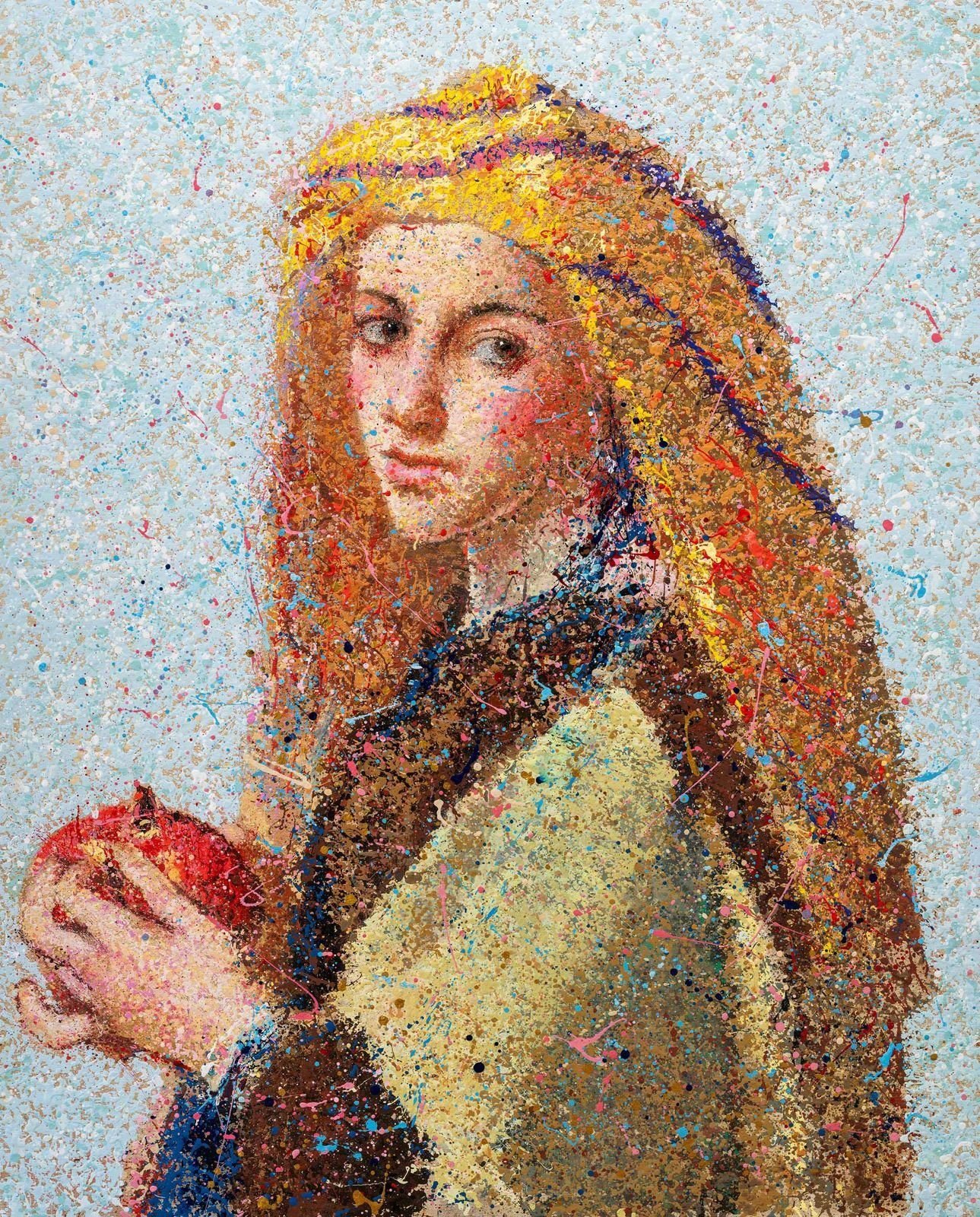
I combine classical painting techniques with modern art because each needs the other: the craft of the Old Masters gives a picture structure and depth, the freedom of modernism gives it expression and presence. A realistically built face can sit in an expressive field of colour, and a precise drawing can be broken open with a palette knife. In this post I explain what this combination means to me and how it shows in my paintings and courses.
What are classical painting techniques?
By classical painting techniques I mainly mean the way of working that developed in European oil painting over centuries and is still taught at art academies today. It includes:
- Drawing as the framework: proportion, perspective and anatomy are settled before painting.
- The imprimatura: a coloured ground that sets a middle value.
- Underpainting: light and dark come first, colour comes later.
- Glazing: thin, transparent layers for depth and luminosity.
- “Fat over lean”: a layering that keeps the painting stable over time.
I learned these techniques during about ten years of academic training – at the art college and the State Academy of Fine Arts in Baku. They are the foundation of my work, especially for the realistic depiction of faces.
What modern art adds
Modernism freed painting from the duty to depict reality. Colour can act on its own, forms can be simplified or distorted, and the trace of the brush or knife becomes expression in itself. A face does not have to be skin-coloured to feel alive – sometimes a strong blue says more about a mood than any naturalistic mix.
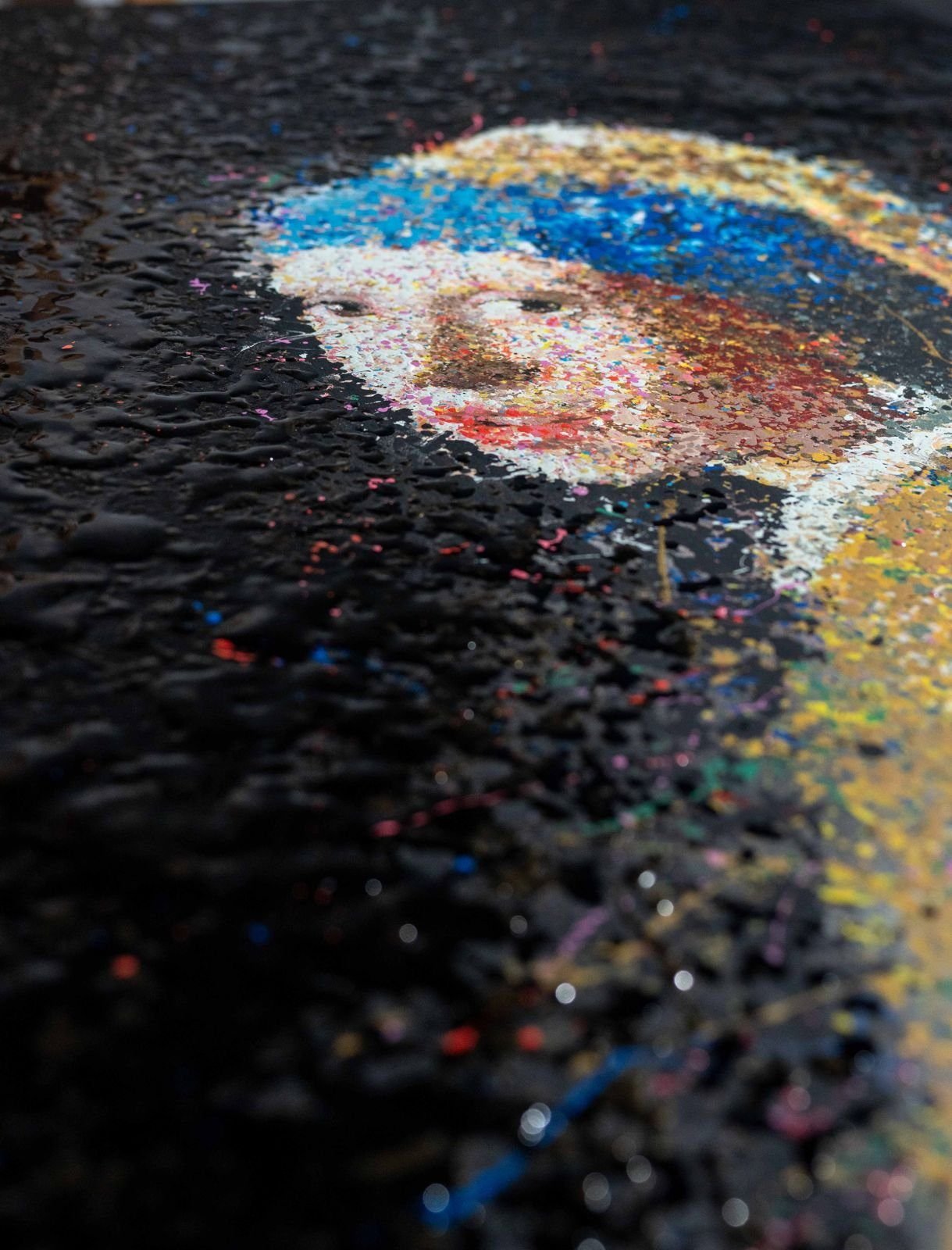
Added to this are materials and tools that play only a minor role in classical training: the palette knife for thick, almost sculptural textures, charcoal and acrylic in mixed media, fast-drying paints that allow spontaneous work in a single session. The idea of the picture itself has changed, too. Today a portrait can be a fragment, a series, a play on quotations from pop culture and art history – think of street art, or of Frida Kahlo's self-portraits, which make the personal the real subject.
What interests me most about modernism is the honesty of the process. A visible brushstroke, an underdrawing left showing, a deliberately unfinished area – all of this shows that a picture has been made rather than simply copying reality.
[FARID: Which modern or contemporary artists have influenced you most, and why? – 2–3 sentences]
The turning point: from craft to a personal stance
During my master's in painting at Alanus University in the class of Prof. Dr. Ulrike Eller-Rüter (2016–2018), a new question took centre stage: no longer just “How do I paint this correctly?” but “What do I want to show?”. For me this was not a break with academic tradition but an extension of it.
[FARID: Was there a particular painting or moment when you first consciously combined classical technique and free expression? – 2–3 sentences]
How classical painting techniques and modern art meet in my work
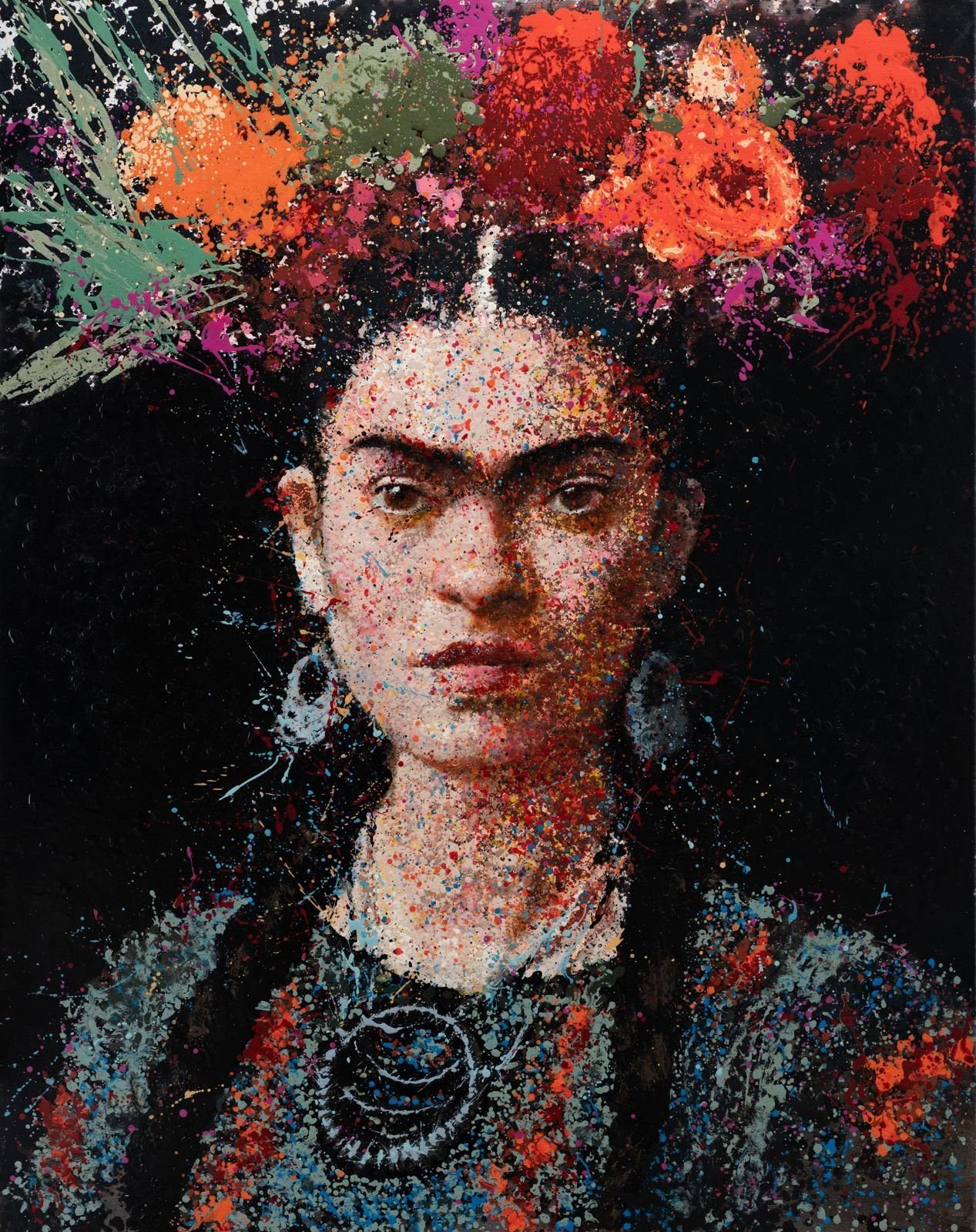
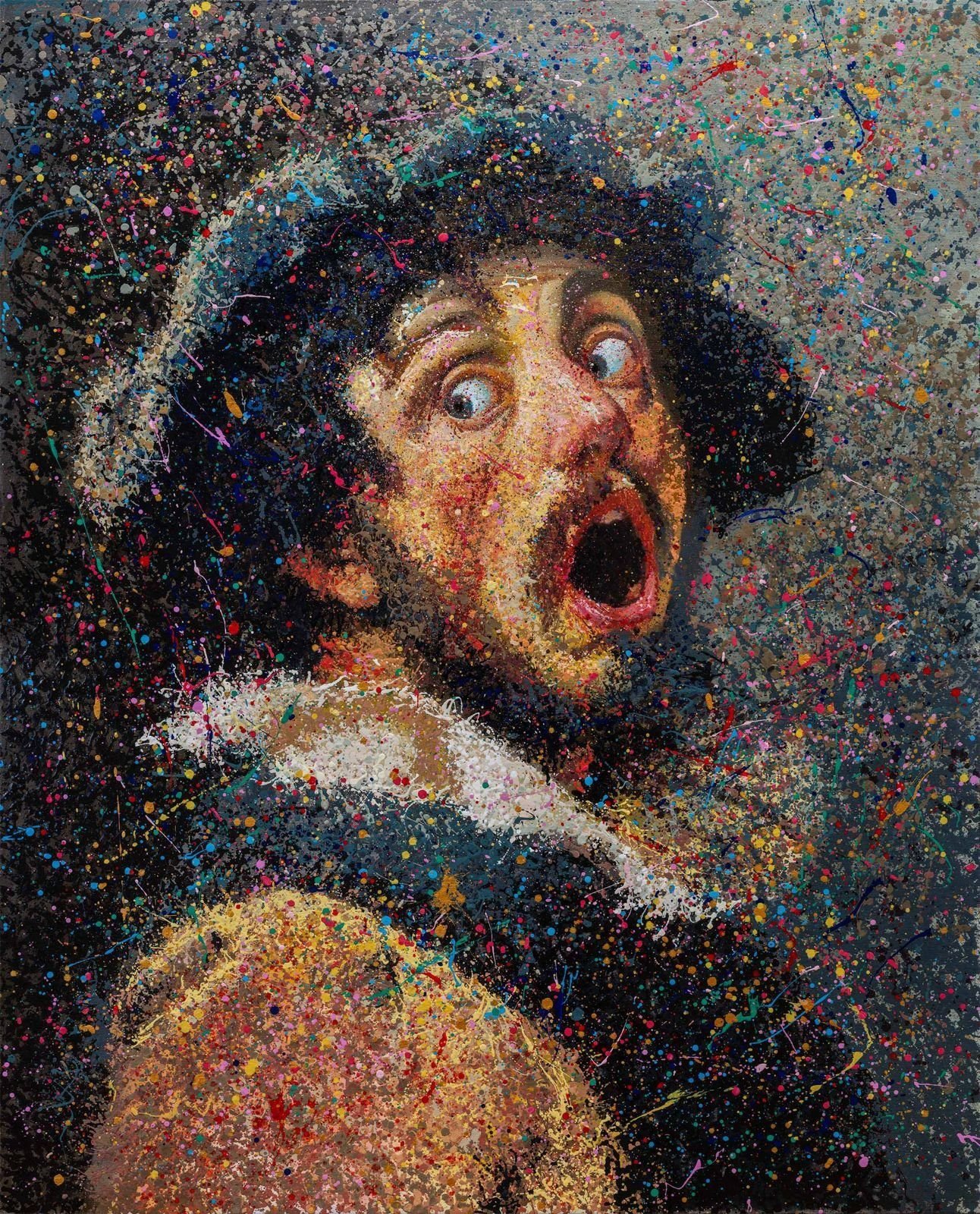
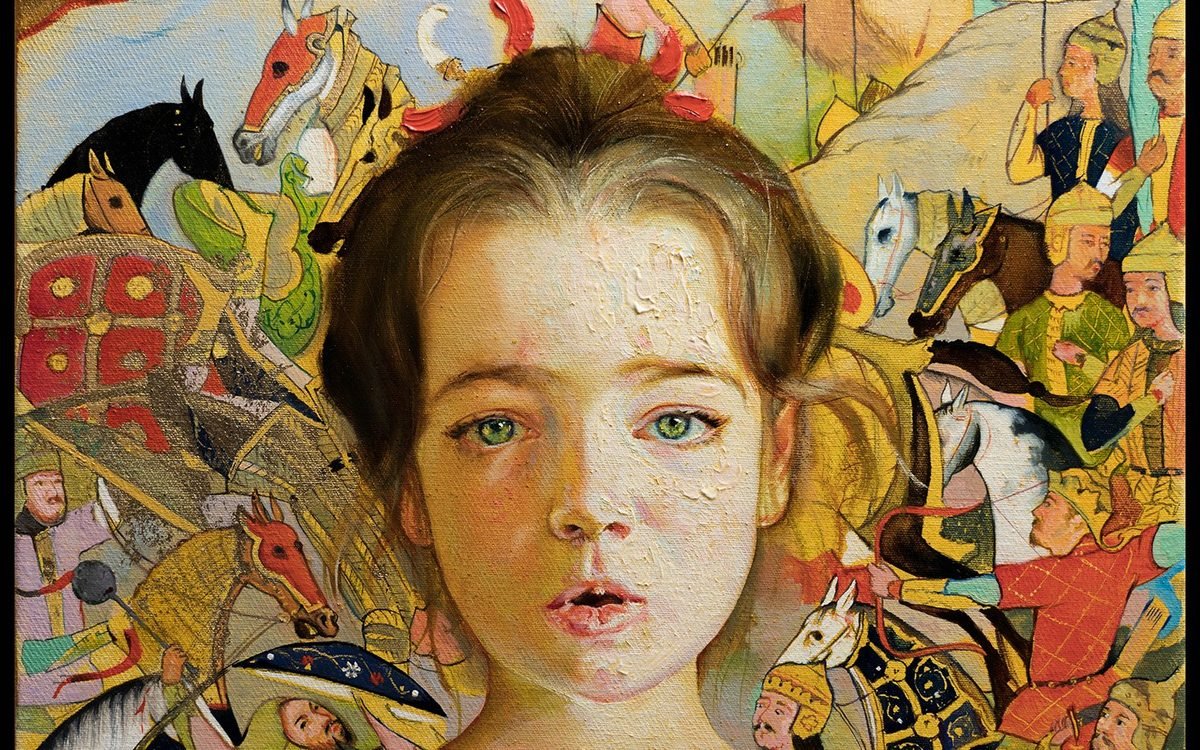
My focus is the portrait and the realistic depiction of the face and its expression. Precisely because the core of a picture is often worked very carefully, the surroundings can become freer. Typical combinations include:
- Precise face, open background: the head is built up in layers, the space around it stays gestural and open.
- Glaze next to impasto: transparent, glowing skin next to thick palette-knife textures.
- Naturalistic values, free colour: light and dark are right, but the hues follow the mood rather than nature.
[FARID: A specific work from your portfolio (e.g. from the exhibition “Wandlung” in Luxembourg, 2019) that shows this combination well – title and 2–3 sentences about the idea]
You can see a selection of my work in the portfolio.
Why tradition is not the opposite of freedom
I often hear the assumption that academic training makes you less free – that learning too many rules kills spontaneity. My experience is rather the opposite. If you know how a head is built, you can distort it boldly without it falling apart. If you master values, you can play with colour without the picture going flat.
In turn, the modern attitude keeps technique from becoming a mere exercise. A technically perfect portrait without expression remains a copy. Only the personal decision – what do I emphasise, what do I leave out? – turns it into a picture.
How this combination shows in my courses
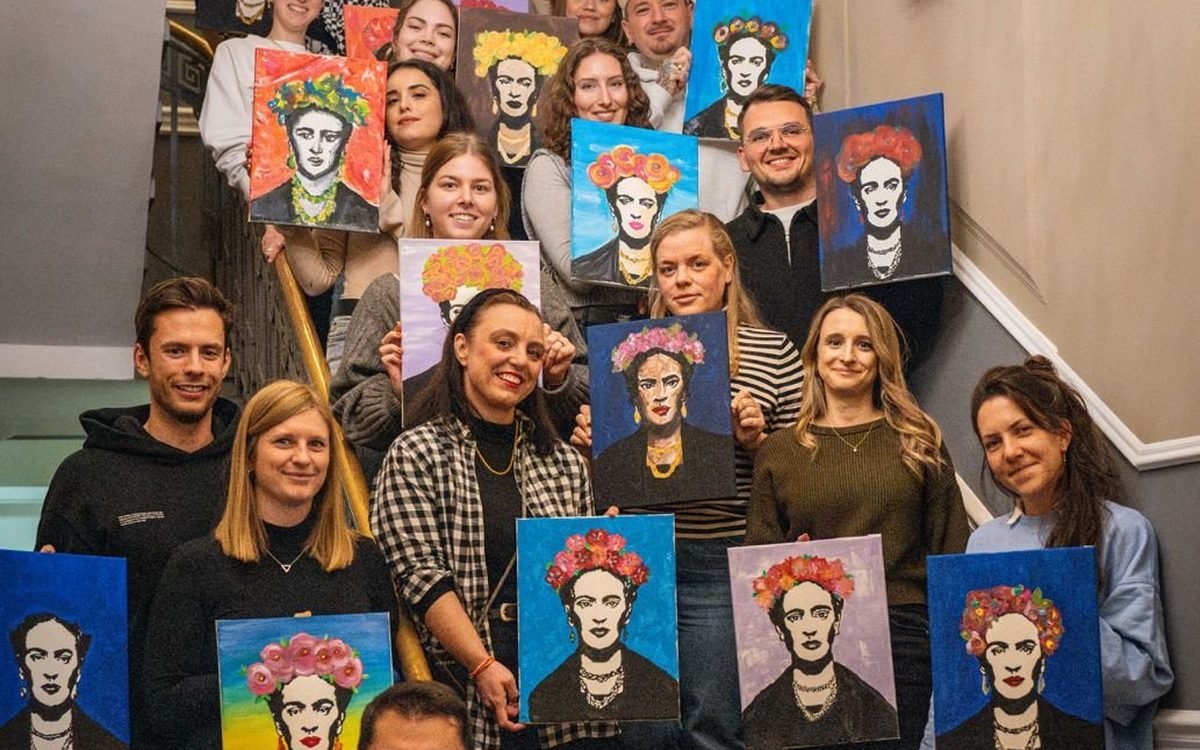
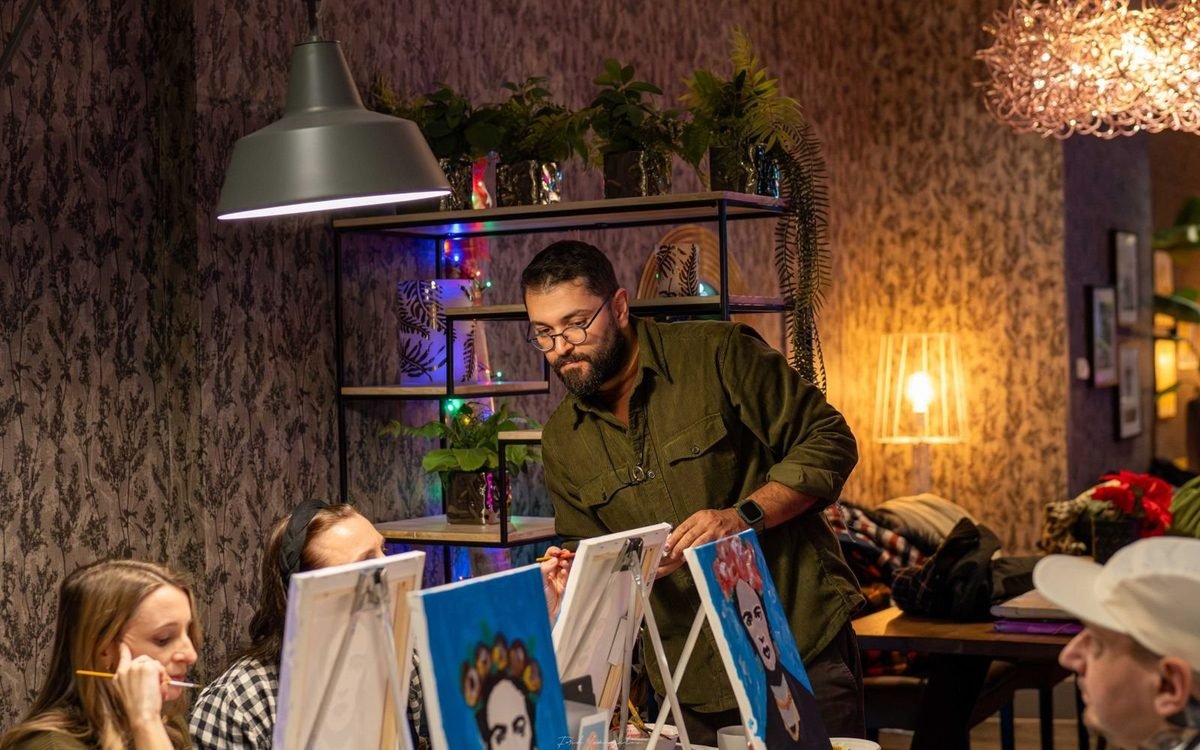
This double perspective also shapes my teaching. Some courses focus on classical craft, such as portrait painting, and others deliberately work more freely – for example “Abstract work with the palette knife”, “Dancer in a rush of colour” or the “Banksy Art Experience”. In both cases I explain the basics so that they make sense without any prior experience.
If you are wondering which paints to start with, the post Oil or acrylic for beginners will help you decide.
[FARID: How do participants typically react when they realise that even a free, expressive painting benefits from basics such as values? – 1–2 sentences]
Frequently asked questions
Do I need to master classical techniques to paint in a modern way?
No. You can start expressively or abstractly right away. Basic knowledge of values, composition and colour helps enormously, though – even in free paintings.
Which classical technique is most worthwhile for beginners?
Thinking in values. If you can see differences in lightness and use them deliberately, every picture improves, whether realistic or abstract.
Can glazing and palette-knife work be combined in one painting?
Yes, and it can be very appealing. With oils, the right order of layers and enough drying time are essential; with acrylics it goes faster, although glazes look somewhat different.
Conclusion
Classical painting techniques give my pictures structure, modern art gives them freedom. For me the two belong together – in the studio and in teaching. If you would like to try this combination yourself, you will find realistic and expressive courses on the painting courses and workshops page.
Gallery