How Do You Find Your Own Painting Style? My Experience as an Artist

You don't find your own painting style by searching for it, but by painting a lot, experimenting deliberately and looking honestly at what truly interests you. Style is not a label you choose – it is the sum of the decisions you make again and again. In this post I describe how I found my own painting style and give you concrete exercises for your own path.
What is a painting style anyway?
A painting style shows in many small things: the choice of subjects, the handling of colour, the way the brush or palette knife is used, what is worked out and what is left out. You often recognise a style faster than you can describe it – just like handwriting.
Importantly, style is not static. It changes with an artist's experiences, themes and life. Once you have found a style, you are allowed to develop it further.
My path: from academic realism to a personal signature
For about ten years my training was academic – at the Asim Asimzade Art College and the State Academy of Fine Arts in Baku. At first it was not about style but about craft: drawing correctly, seeing values, building oil paint in layers. Personal expression mattered, but it came after skill.
[FARID: How did you paint during that time, and were there already moments when you wanted to break out of the academic framework? – 2–3 sentences]
During my master's at Alanus University in the class of Prof. Dr. Ulrike Eller-Rüter, the question suddenly arose of what set my painting apart from others. That was uncomfortable at first – and precisely for that reason so valuable.
[FARID: What did you try out during that time (materials, formats, themes), and what has remained? What did you discard? – 2–4 sentences]
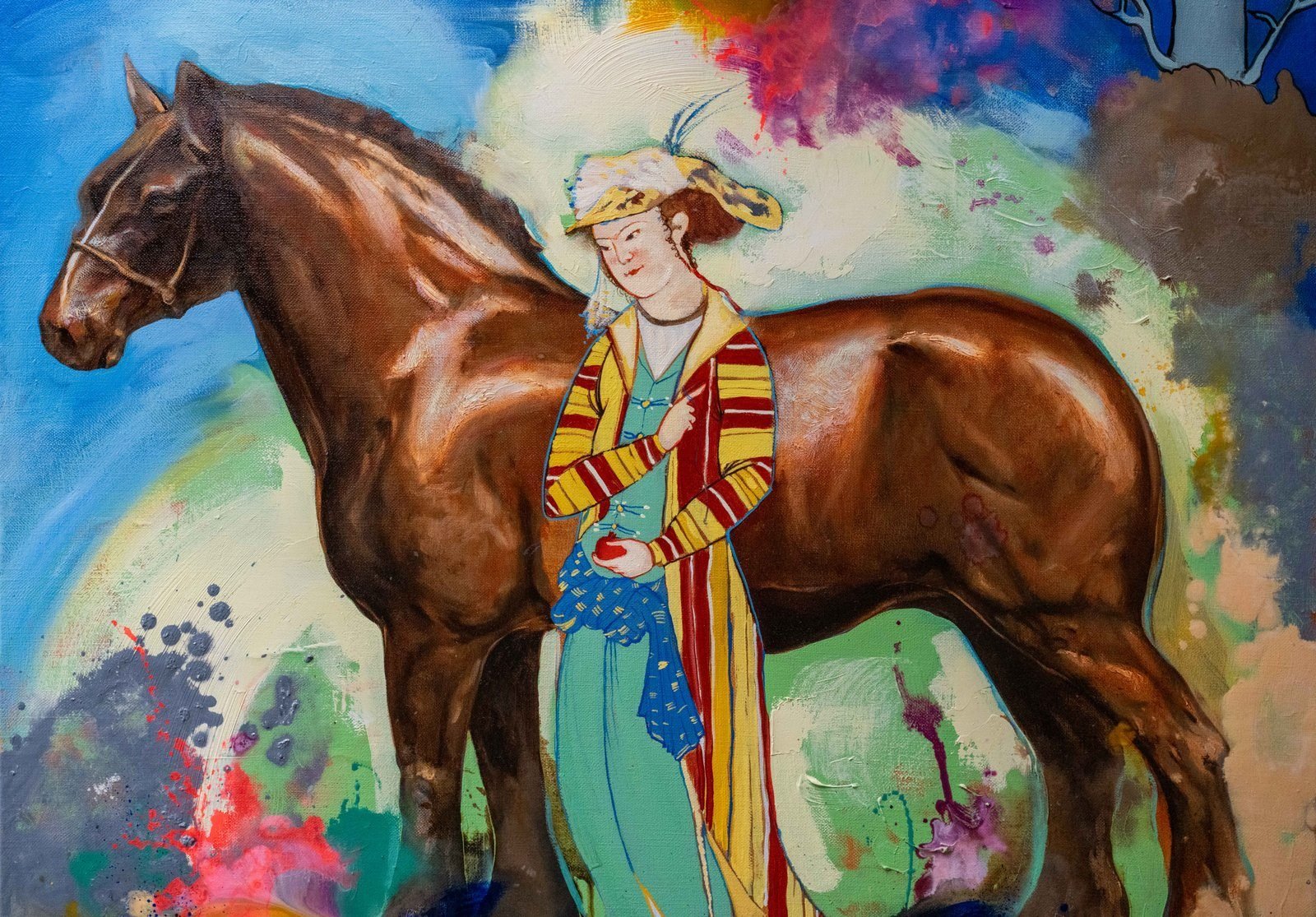
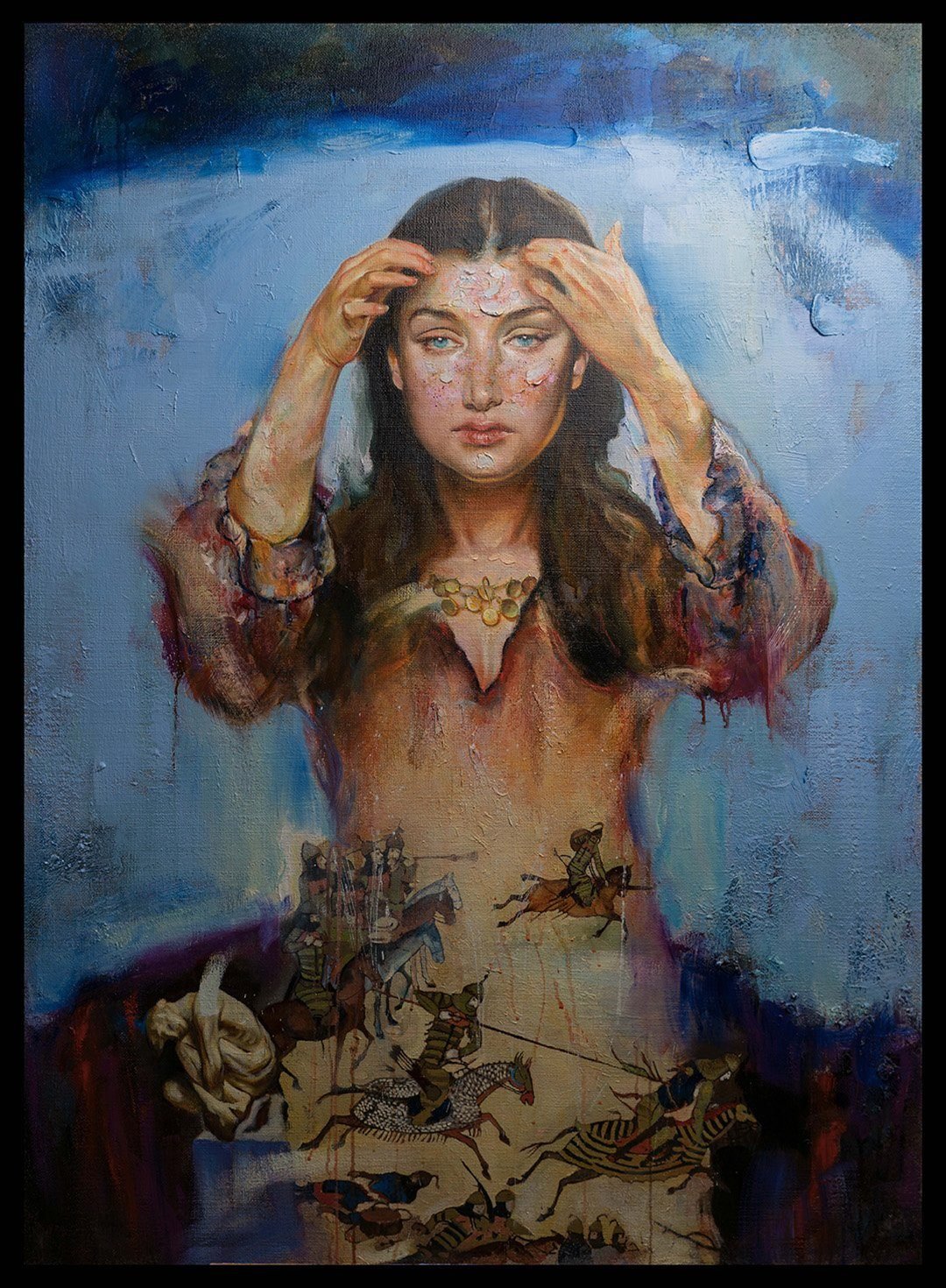
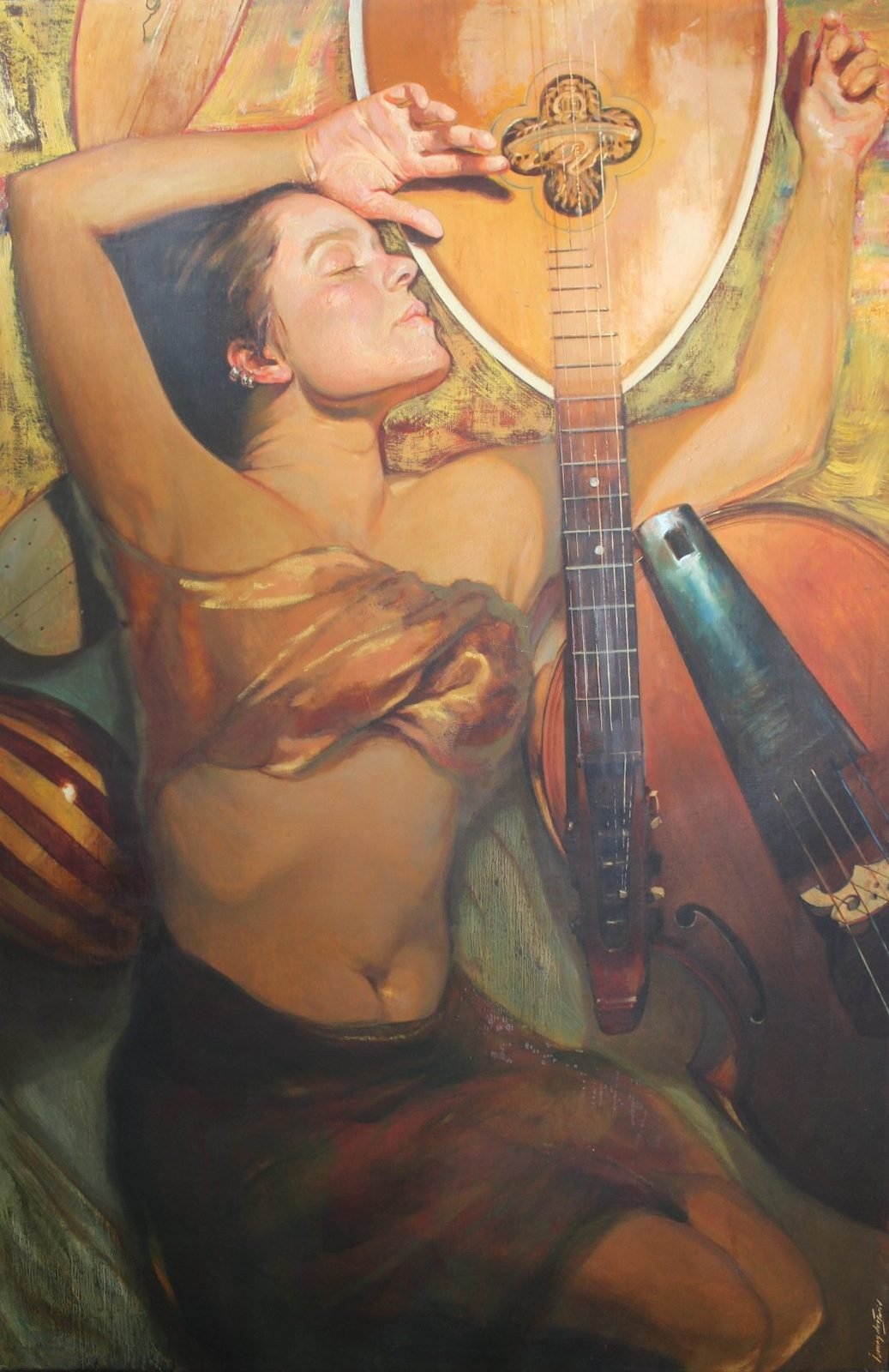
Today my passion is the portrait, with a focus on the realistic depiction of faces and their expression. The academic foundation is always visible, but I have developed my own style.
[FARID: How would you describe your own painting style in two or three sentences? What is typical of a painting by Farid Ismayilov?]
You can see how this shows in my pictures in my portfolio.
Why craft does not stand in the way of your own style
A common worry is: if I learn too much technique, I will end up painting like everyone else. I see it differently. Technique is like a vocabulary. The more words you know, the more precisely you can express what you want to say. Your own style emerges when you choose deliberately from that vocabulary.
Many great artists worked very classically before they found their unmistakable visual language. For them, craft was not a cage but a springboard.
Finding your own painting style: 6 practical exercises
The following exercises help you make your own painting style visible step by step. They work for beginners as well as more experienced painters.
- Copy and compare role models: paint a detail from a picture you admire as accurately as possible. Then ask yourself: what attracted me – the colour, the line, the mood?
- One subject, three versions: paint the same subject three times – once realistically, once with strongly simplified shapes, once only with areas of colour. Which version feels most like you?
- Deliberate limitation: for a while, work with only three colours plus white, or only with a palette knife. Limits force you to find your own solutions.
- Think in series: paint five to ten pictures on one theme. Only in a series do you see what repeats – and that is your style.
- Quick studies: paint small pictures with a time limit, say 20 minutes. When there is no time to overthink, your signature shows most clearly.
- Look back: lay out your work from the past few months side by side. Which do you like best, and what do they have in common?
What to avoid
Avoid committing too early or adopting every new trend. A style made only of effects soon wears thin. Give yourself time – style grows over years, not weeks.
Inspiration: where it comes from and how to use it
Inspiration rarely comes on demand. It grows from museum visits, conversations, travel, books – and above all from the work itself. Many ideas only appear while you are painting.
[FARID: What inspires you most personally (people, places, artists, music …)? Do you keep a sketchbook or have a ritual for capturing ideas? – 2–3 sentences]
If you are just starting out, it is perfectly normal not to have a style yet. You can read how to get started well in the post Learning to paint without prior experience.
Frequently asked questions
How long does it take to find your own painting style?
That varies a lot. For most painters, a personal signature emerges after several years of regular practice. You will often notice first tendencies after just a few months, though.
Is it bad to imitate other artists?
No – for learning, imitation is actually useful. What matters is understanding why you like something and translating it into your own language over time.
Can a painting course help me find my own style?
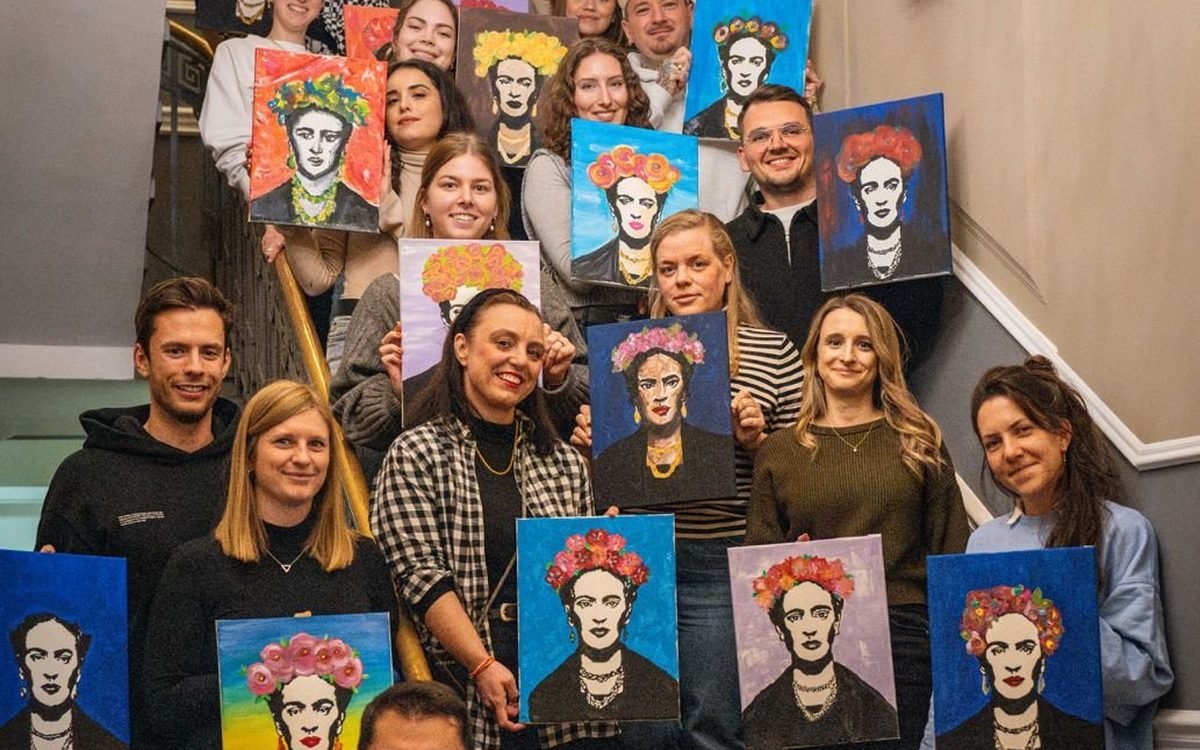
Yes. In a course you get to know different techniques and receive feedback from outside. A teacher often sees strengths in your pictures that you have not noticed yourself.
Conclusion
Finding your own painting style is not a one-off event but a path of craft, experiment and honest reflection. Mine began in the drawing studios of Baku and is still not finished today. If you would like to walk your own path with guidance, you will find realistic and expressive courses on the painting courses and workshops page.
Gallery