Educational Leave With Art: Three Days of Creative Training

Educational leave with art is possible if the course is officially recognised as an educational event. In North Rhine-Westphalia (NRW), employees are entitled under the Employee Further Education Act (Arbeitnehmerweiterbildungsgesetz) to five paid working days per calendar year. A three-day creative course therefore uses part of this entitlement – and can bring fresh impulses for work and everyday life.
In this article I explain the rules for educational leave (Bildungsurlaub) in NRW, what to look for when choosing a course and what three days of artistic training can look like. The legal information is a general guide; the binding sources are the law itself and information from your employer or the course provider.
What is educational leave in NRW?
In NRW, educational leave is officially called Arbeitnehmerweiterbildung (employee further education). Its legal basis is the Arbeitnehmerweiterbildungsgesetz (AWbG). It gives employees the right to be released from work for recognised training without using holiday days. Salary continues to be paid during this time.
The key rules at a glance
- Amount: five working days per calendar year for a five-day week. If you regularly work more or fewer days, your entitlement is adjusted accordingly.
- Combining: the entitlement from two calendar years can be combined, for example for a longer course.
- Recognition: the course must be recognised as an educational event under the AWbG. That is the provider's responsibility, not the participant's.
- Content: the law supports vocational and political further education.
- Notifying your employer: the leave must be requested from your employer in good time – by law, at least six weeks before the start.
Other German federal states have their own rules, some of them quite different. If you work outside NRW, the law of your state applies.
Educational leave with art: is that even possible?
Many people wonder whether a painting course can count as "vocational training". The answer: it depends on recognition, not on the subject alone. A pure hobby course is usually not recognised. Courses in which creativity, perception, concentration and new approaches to problems are deliberately practised and related to working life, on the other hand, can be recognised as educational leave.
So my most important advice: before booking, check whether the specific course is recognised. Reputable providers state the recognition in the course description and provide a certificate for your employer.
Why artistic methods help at work too
- Close observation: drawing teaches you to see things as they are – not as you expect them to be.
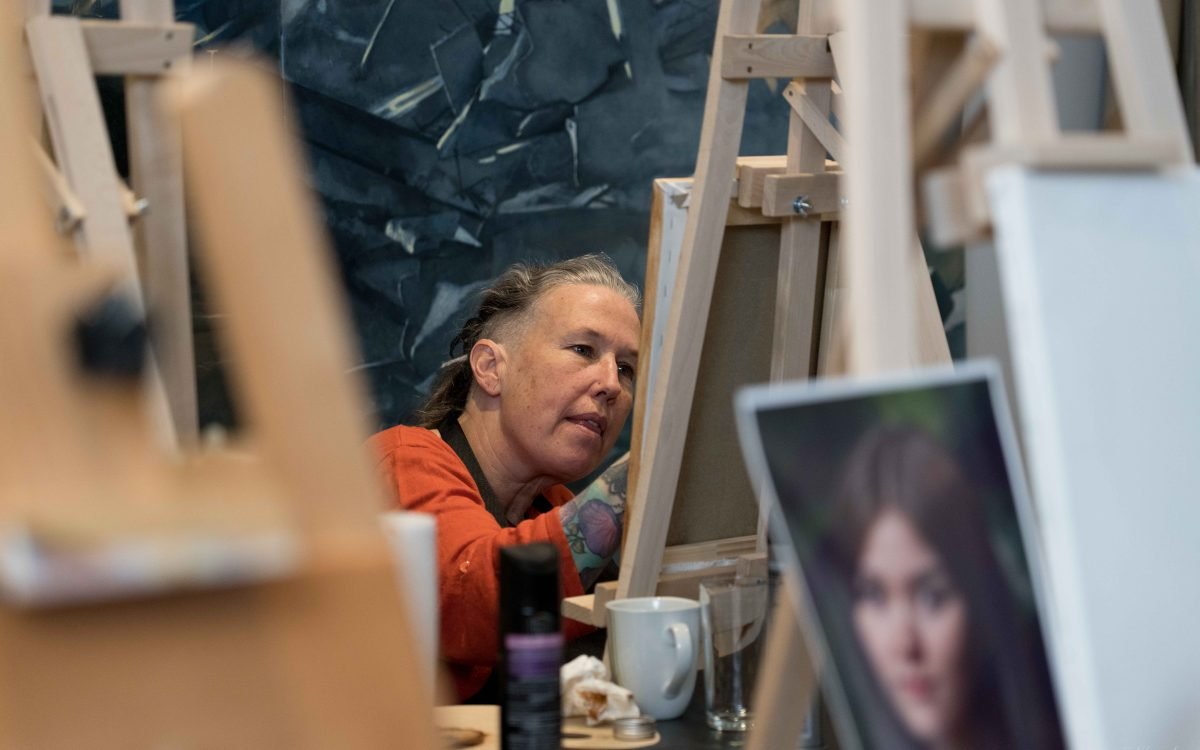
- Concentration: working on a picture for several hours trains stamina and attention.
- Dealing with mistakes: in painting, mistakes become material. This attitude transfers well to other tasks.
- Creative problem-solving: a picture emerges through many small decisions – training for flexible thinking.
- Changing perspective: stepping back, looking at the whole, starting afresh.
Who is creative educational leave for?
An art course can be valuable for very different professions: for people who spend a lot of time at a screen and are looking for balance, for anyone who has to develop creative solutions in their job, and for those who simply want to relearn how to focus on one thing for several hours. What matters is not prior knowledge but openness to a new experience.
What three days of creative training can look like
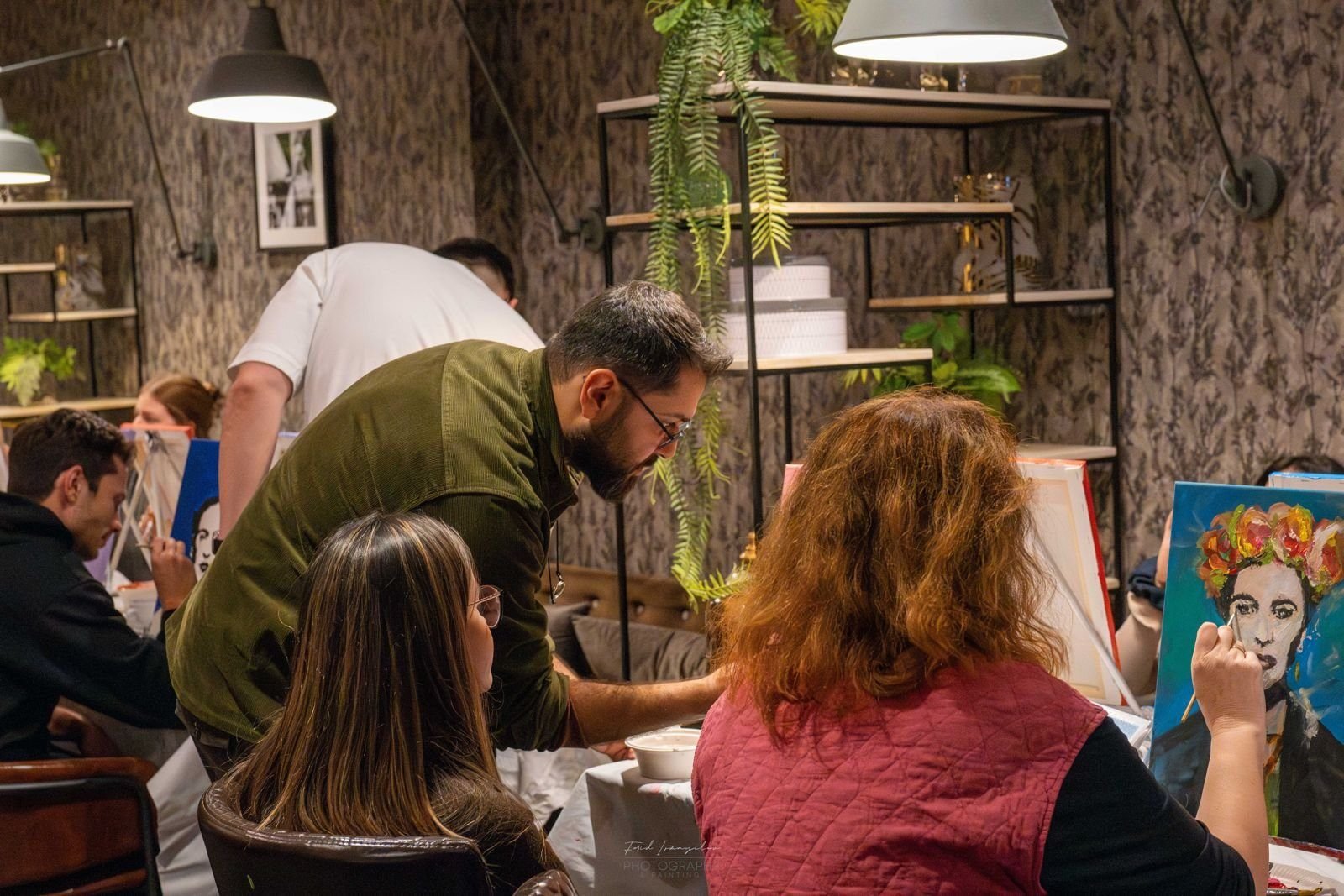
A three-day course is long enough to immerse yourself in a technique and short enough to fit well around work. The following schedule is an example of how such a course can be structured:
- Day 1 – Learning to see: perception exercises, drawing from observation, light and shadow, first sketches.
- Day 2 – Colour and expression: colour mixing, the effect of colour, working with brush and palette knife, developing your own subject.
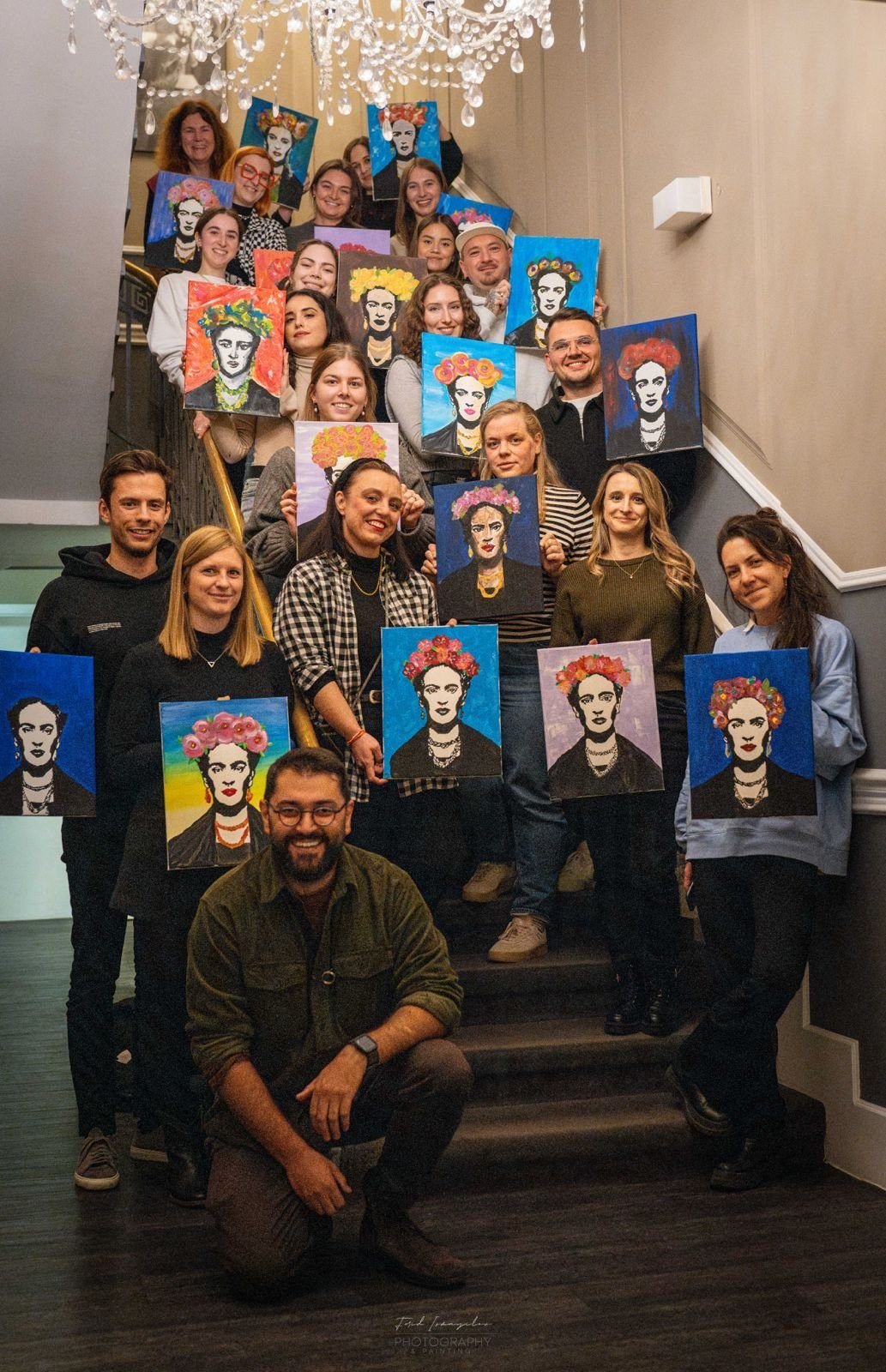
- Day 3 – Your own work and reflection: completing the picture, looking at the results together and asking what you can take from creative work back into your job.
The appeal lies in the focus: three days without emails and meetings, just you, your picture and a group working on the same questions. No prior experience is needed for this kind of start – read more in my article Learning to paint as an adult.
My offer
[FARID: Does Farid offer a course recognised as educational leave under the AWbG NRW? If yes: add course title, duration (three days?), venue (e.g. Kunsthalle Eil-Porz?), content, recognised provider or recognition number and booking link. If not: delete this section or refer to regular weekend workshops.]
Either way, you will find all current courses and workshops on the painting courses and workshops page. Workshops take place, among other venues, at the Kunsthalle Eil-Porz in Cologne.
How to apply for educational leave – step by step
- Choose a course and check that it is recognised as educational leave under the AWbG NRW.
- Request proof of recognition from the provider (usually with the booking confirmation).
- Apply to your employer in good time, at least six weeks before the course starts, ideally in writing and with the proof.
- Attend the course – you will usually receive a certificate of attendance from the provider.
- Submit the certificate to your employer after the course.
Frequently asked questions
How many days of educational leave do I have in NRW?
Five working days per calendar year for a five-day week. You can combine the entitlement from two years.
Can any painting course be taken as educational leave?
No. Only events recognised under the AWbG qualify. Ask the provider for proof.
Do I need prior experience for creative educational leave?
That depends on the course. Many creative beginners' courses require no prior experience; the course description will tell you.
Can my employer refuse educational leave?
The law provides for exceptions, for example when urgent operational reasons stand in the way. So discuss your plans with your employer early.
Conclusion: creative training with a clear conscience
Educational leave with art combines professional development with an experience that rarely has room in everyday life: focused, creative work with your own hands. What matters is that the course is recognised and that you submit your request in good time.
If you would first like to try painting without educational leave, take a look at my current painting courses and workshops. I look forward to meeting you.
Gallery