Painting a Dancer in Acrylics: How to Bring Movement and Energy to the Canvas
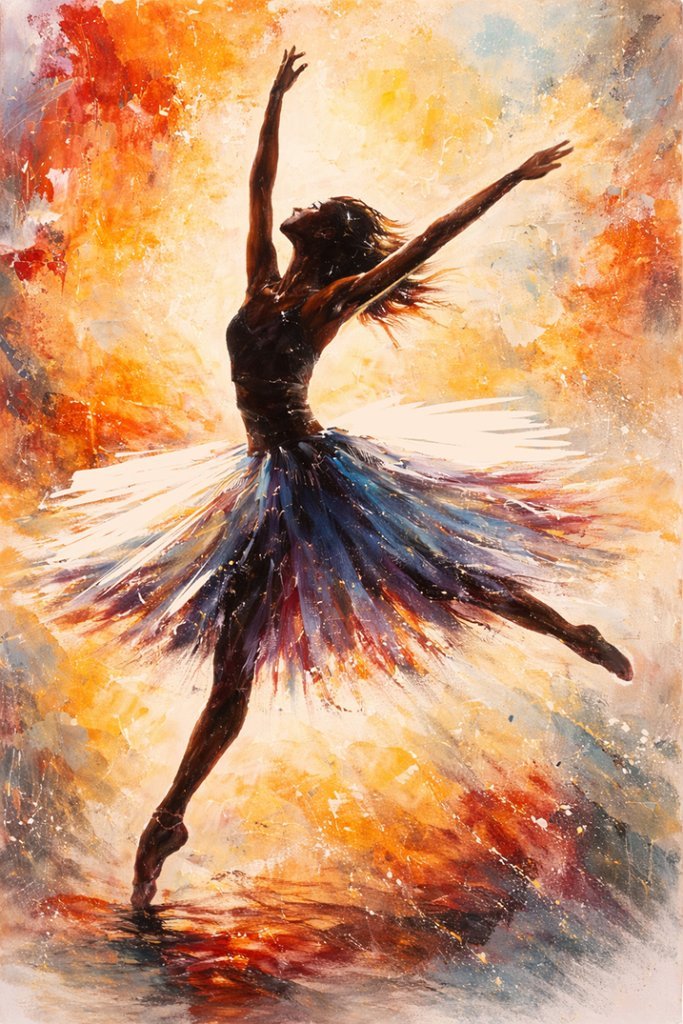
Painting a dancer in acrylics is above all about making movement visible – not every fold of the costume. The key is a strong line of action, a quick gesture drawing and brushwork that follows the direction of the movement. If you keep these three things in mind, your picture gains energy even if the figure isn't anatomically perfect.
In this article I show you how to approach painting a dancer: from the first line through composition to texture and colour. The tips are for anyone who already has some experience with a brush and wants to deepen their technique.
Why painting a dancer in acrylics is so rewarding
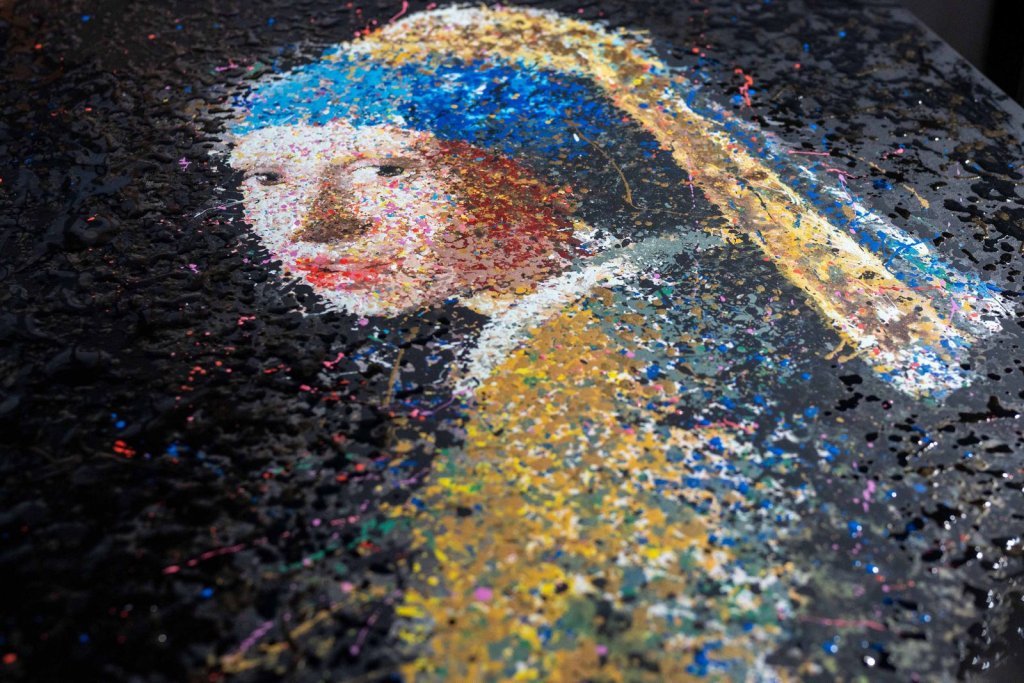
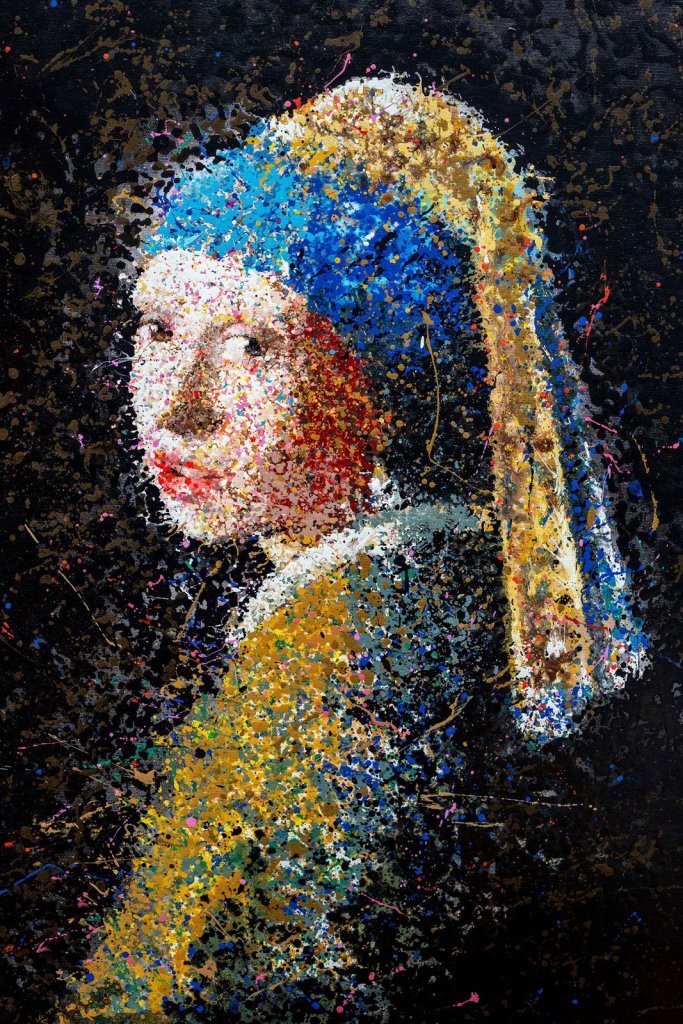
The dancing figure is one of the most rewarding subjects for expressive painting. It combines a recognisable human form with the freedom to exaggerate through colour and brushstroke. An arm may look longer, a skirt may dissolve into areas of colour – as long as the movement stays believable, the eye reads the figure.
Acrylics suit this especially well. They dry fast, so you can build layer upon layer; thinned they give transparent veils, applied thickly they create strong textures. I describe the differences to oil in Oil or acrylic?.
The line of action: the backbone of your picture
Before you think about head, arms or dress, look for the line of action: a single curved line describing the main sweep of the figure, from the head along the spine into the standing leg.
- C-curve: for figures bending backwards or forming an arc.
- S-curve: for turns and elegant, flowing poses.
- Straight diagonal: for jumps and moments of maximum tension.
A common mistake is a vertical, stiff central axis. Exaggerate the curve rather than softening it – in the finished picture it will look natural.
Gesture drawing: seconds, not hours
A gesture drawing is a quick sketch that captures only the pose and rhythm of a figure. Give yourself 30 to 60 seconds at most:
- Set the line of action.
- Head as a simple oval, ribcage and pelvis as two shapes tilted against each other.
- Arms and legs as lines following the movement.
- Only hint at hands and feet.
Draw several gestures on paper, pick the best, and transfer it to the canvas with thinned acrylic and a medium brush rather than a sharp pencil.
Composition: leave room for movement
A dancer needs space. Place the figure so there is more room in front of her, in the direction of movement, than behind. Cropping can add energy too: an arm or hem running off the edge feels dynamic. A figure placed dead centre with an even margin all round calms the picture down.
Expressive brushwork and texture
- First layer: large, thin and fast – establish warm and cool areas without detail.
- Wet-on-wet: blend fresh colours while still damp for soft transitions in flowing fabric.
- Direction of the stroke: move the brush in the direction of the movement.
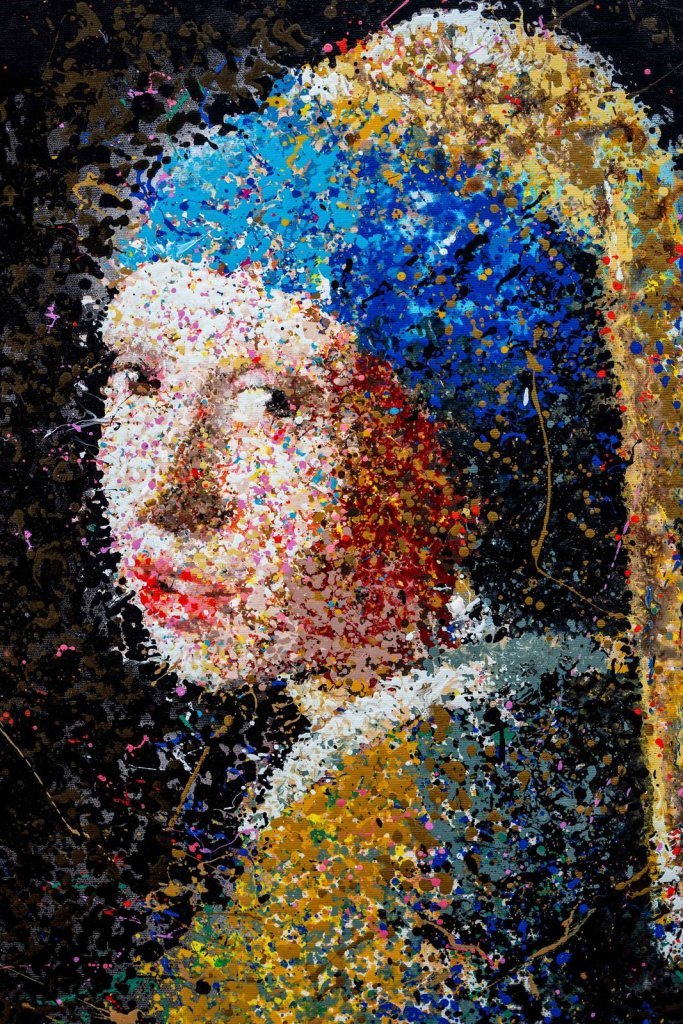
- Texture: with a palette knife or bristle brush and thicker paint, set accents that catch the light.
- Edges: keep some contours soft and lost – they read like motion blur.
A deliberate colour contrast also pays off, such as a warm figure against a cool background. I explain how complementary colours help in colour theory and complementary colours.
The course "Tänzerin im Farbrausch"
If you'd like to paint this subject with guidance, my course "Tänzerin im Farbrausch" (Dancer in a Colour Rush) is the right fit. It is aimed at advanced participants who already have some experience with a brush, so we can focus fully on complex textures and expressive brushwork. It takes place at the Adina Apartment Hotel Düsseldorf, lasts about two hours, and quality artist materials and canvases are provided. All dates are on the course page.
Frequently asked questions
Do I need to know anatomy to paint a dancer?
A basic sense of proportion helps, but in expressive painting movement matters more than anatomical accuracy. Gesture drawing trains exactly that.
Can I paint from a photo?
Yes. Choose a photo with a clear pose and light direction, then simplify and emphasise the line of action.
Is the course suitable for complete beginners?
"Tänzerin im Farbrausch" is designed for advanced painters. Beginners will find all-level courses in my programme as a starting point.
Conclusion: movement first, details later
Painting a dancer in acrylics works when you capture the sweep first and subordinate everything else to it. Want to try it with guidance? Have a look at the course or all offers under painting courses and workshops.
Gallery